



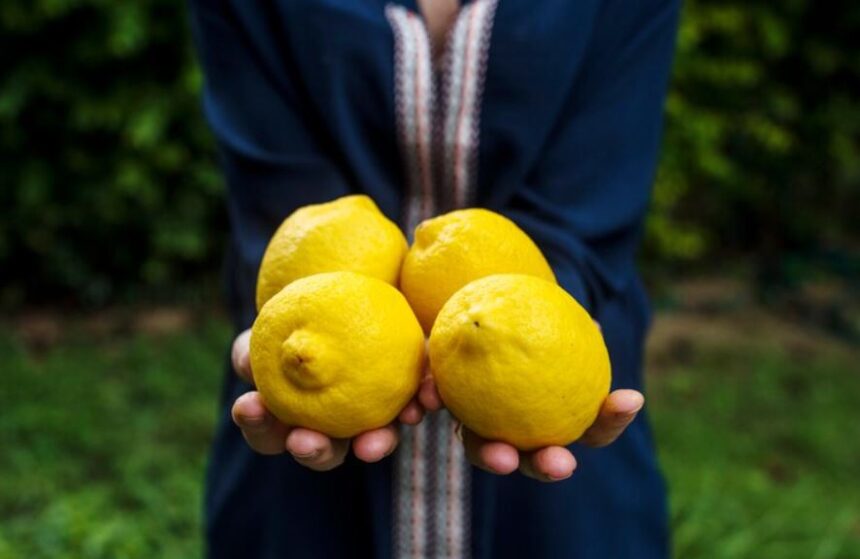
If you’ve squeezed a lemon lately, you may have noticed your wallet got pinched too. The global lemon shortage going on in 2025 is hitting shoppers, suppliers, and bar owners almost everywhere. This isn’t one of those behind-the-scenes industry hiccups. It’s starting to show up in supermarkets, restaurants, and pretty much anywhere lemons are supposed to be cheap and easy.
So, what happened? Why are prices up, harvests down, and juice companies almost fighting over fruit? We dug into the numbers and spoke with a few importers, growers, and grocery managers to figure out what’s really going on.
Spain’s Lemon Fields Hit Hardest
Most of Europe’s lemons come from Spain. This year, growers in the Murcia region are reporting harvests down by as much as 15%—and as much as 40% for some groves. That might sound like just another seasonal dip, but it’s much bigger than normal.
One grower told us, “The flowers just didn’t set right after that drought. Then it rained at the wrong time, which isn’t great either.” That pretty much sums it up: bad weather at the worst possible times.
As Spanish supplies stall, their prices are jumping. By late December and into February, importers warn some shelves could go bare, especially in northern Europe. So, don’t be shocked if lemons cost more or just aren’t there when you want them for your seafood or cocktails.
A Northern Hemisphere Squeeze
This isn’t just about Spain, either. The whole northern hemisphere is having a rough lemon year. Key producing countries—think Egypt, Italy, Greece, Turkey, Israel, Morocco, and even parts of the U.S.—are down about 12% compared to last season.
Spain’s total citrus harvest (not just lemons) is dropping by roughly 10%. Italy is down too, by more than 6%. When you add it all together, you’ve got millions fewer lemons entering the international supply chain.
If you’re picturing sunny fields full of fruit, well, many of them are producing less, or the fruit they have is much smaller than you’d expect.
What’s Up With The EU and Turkey?
Let’s put the numbers in perspective. The latest global figures say lemon and lime production for 2024-2025 is down by 651,000 tons. That leaves 10.2 million tons in total — and that’s after several rough years for citrus groves worldwide.
Why so little? Most of the drop came from weather: droughts in the EU (especially Spain and Italy) and in Turkey. Fields just didn’t get the rain they needed. Then, when rain did show up, it didn’t help much because it brought disease risk and uneven growth.
If you’re a juice maker or a supermarket retailer in Europe, that shortage is already biting. Some chains were caught flat-footed and are now racing to lock in contracts for the next few months.
Argentina and Mexico Can’t Fill the Gap
Usually, Argentina bails out the lemon market if things go sour in Europe. This year’s different. Growers there dealt with late harvests, months of rain, and fungus outbreaks. The fruit they did manage to pick sometimes had lower juice content or sub-par quality.
There’s almost no leftover stock from last year’s crop to bridge the gap, either. One exporter told us their carryover inventory “might last a few weeks, if that.” That means heading into early 2026, Argentina could be as short as anyone else — and the usual big shipments just aren’t happening.
Mexico could’ve helped. But, heavy downpours there produced a lot of undersized fruit and reduced the overall supply. Retailers in the U.S. and Canada who count on bigger limes and lemons from Mexico are still feeling those impacts. Some bars are even switching drink recipes to avoid using fresh lemon juice whenever they can.
Why California Isn’t Panicking (Yet)
There’s one place bucking the trend. In the U.S., California’s lemon growers are actually seeing a slightly larger crop—up 1% from earlier forecasts, and 11% higher than last season. This sounds like good news, and it is for American buyers.
Still, California isn’t growing enough to fill the global hole. Prices are up anyway, partly because many U.S. importers aren’t able to secure steady shipments from Mexico, Argentina, or Chile (more on that below).
But expect prices at your local supermarket to stay high for a while longer, until those new California lemons start showing up in bulk next month. Even then, some of the world’s supply shortages could keep things tight here at home.
Price ‘Sticker Shock’ is Real
Let’s talk numbers again. At the moment, Spanish lemon prices are already above last year’s, and they’re climbing. Sourcing managers we spoke with expect prices to rise even further as fresh lemons become harder to find in January and February.
It’s not just supermarkets feeling it. Juice companies are paying through the nose for raw lemons, and they’re passing those costs on to customers. If you’ve noticed lemonade at your favorite café costing a dollar more, this is why. People are still willing to pay—up to a point—but many restaurants and food businesses are shopping around for deals or even skipping fresh lemon squeezed juice until summer.
In the U.S., prices had a weird dip last winter, but shot back up again as imported lemons disappeared and American buyers fought over what was left. Tariffs (extra taxes on incoming lemons from certain countries) made things even stranger: trade data shows a rush of fruit arriving before tariffs took effect, then almost nothing for weeks.
The Battle Over Lemon Juice
This year, it’s not just about the whole fruit. Lemon juice itself is in short supply, and manufacturers can’t get enough concentrate. Processors told us Argentina’s juice yields were low, thanks to poor growing conditions and disease in the fruit.
Now, everyone’s competing for the same small batch of lemons—whether to sell as fruit or turn into juice. The food and drink industry prefers juice concentrate because it’s easier to store and use, but if there aren’t enough lemons to crush, there just isn’t enough concentrate for bottlers, food manufacturers, and even cleaning product companies.
Some big buyers are already warning of possible shortages of bottled lemon juice through the end of 2026, if these weather issues keep cropping up.
Tariffs and Trade Disruptions Don’t Help
Trade policies are making a sticky problem even tougher. U.S. tariffs hit lemons from Peru, Chile, and Uruguay with a 10% tax, starting in 2025. Lemons from South Africa now face a 30% tariff, which turned the usual July-August buying rush on its head.
Importers and wholesalers scrambled to get in as much fruit as possible before the deadlines. This led to temporary oversupply, followed quickly by a sharp drop in shipments. If you buy lemons for a restaurant or food products company, this means more anxiety about supplies and needing to source far ahead.
This kind of uneven flow has made it hard for retailers and smaller buyers to plan. The net result? More price swings, more headaches, and fewer lemons for everyone.
Why Is This Happening? (It’s Not Just One Thing)
You can’t pin all this on just one cause. Let’s break it down.
First, almost every major lemon-growing country has had weird weather. Drought, then too much rain. Some regions got record heat, others too much cold right as trees were flowering. That leads to less fruit, and what does grow is smaller.
Then you have disease—citrus greening in particular—which has been hitting groves in South America and Europe. Infection rates are stubborn; keeping trees healthy is getting more expensive every year. Some growers can’t keep up, so fields are abandoned or cut back.
Add in high fertilizer, fuel, and labor costs. It’s more expensive to grow, pick, and transport every lemon, so even countries with normal crops are pushing prices up.
Finally, last year’s poor harvest left almost no carryover lemons or lemon juice stocks to soften the blow. This year, what’s picked gets used right away, with nothing left for next time. You get the picture: tight all around.
Retailers, Importers, and Juice Brands: Planning Ahead
So what do buyers do when lemons are scarce and prices are crazy? Most are planning much earlier than usual—some are locking in contracts for winter deliveries up to six months ahead. Others are hedging their bets by booking fruit from more than one country, hoping at least one shipment will come through.
Supermarkets are trying to smooth out the bumps by promoting substitutes, like lime or bottled juice, when lemons aren’t available. Bars and cafes are switching to alternative garnishes (ever see a cucumber twist in your G&T?), while juice sellers are hoping their bottlers guard supplies carefully.
Most industry folks expect things to stay tight through late 2026, unless we finally get a string of decent growing seasons. For businesses that rely on lemons, flexibility is the new normal.
For an inside look into how businesses are handling these planning challenges, check out features on Business Focus Magazine.
Looking Ahead: What to Expect the Rest of 2025 and Beyond
If there’s any good news, it’s that the worst crisis scenarios seem manageable for now. California’s bigger harvest will help the U.S. a little, and some new plantings in Spain and Turkey might bear fruit next year. But nothing is guaranteed—weather shocks, trade policy changes, or a new citrus disease outbreak could quickly tighten things again.
Shoppers can expect higher prices at least until summer 2026. The supply crunch means deals will be rare and substitutions more common. If you work with lemons—a bar, restaurant, or even a lemonade stand—it’s smart to plan ahead, build relationships with more than one supplier, and think about alternatives when possible.
Growers say they’re adapting by investing in disease-resistant varieties and smarter irrigation, but those solutions take years to pay off. For now, it pays to keep your eye on the citrus aisle and brace for some sticker shock.
That’s the state of the lemon market for now—sour, a little messy, but not without a few bright spots if you know where to look.
Also Read: