



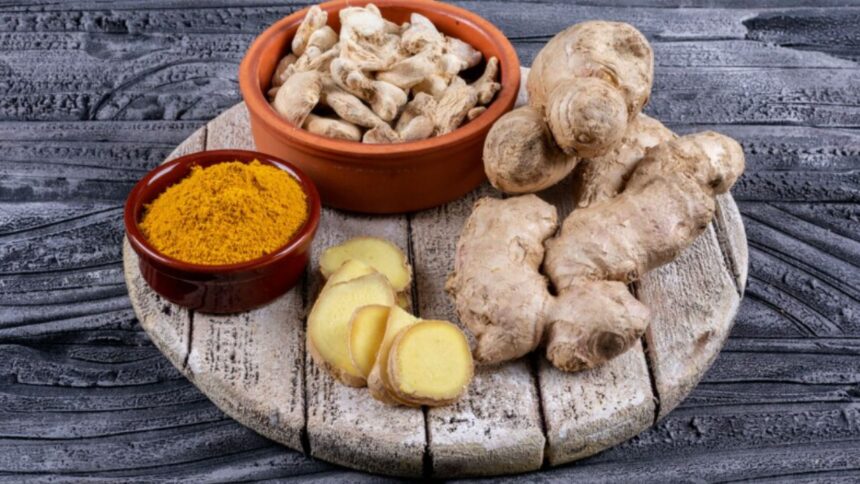
If you grabbed ginger at your local store recently, you might’ve noticed it costs more, or just looks a bit tired. That’s not just your neighborhood—ginger supplies have run into real trouble around the globe. Let’s break down what’s going on, why your favorite spice is suddenly a hot topic, and what might happen in the next year or so.
The Hidden Workings of the Ginger Market
Ginger doesn’t get the same headlines as coffee or chocolate, but it’s a major player in global food. We use it everywhere—curries, teas, juices, even candies. Behind the scenes, a handful of countries turn rugged root into a staple on your countertop.
Usually, countries like Peru, India, China, and Brazil keep the supply moving. The market works on a pretty simple model: harvest, process, ship, repeat. Up until the past year or so, things ran fairly smoothly—until problems started stacking up all over.
Why Is There Suddenly a Ginger Shortage?
It’s not just one thing. This whole mess really kicked off because Peru, one of the world’s biggest ginger exporters, ran into several production problems at once.
Peru’s farmers had to cut down on planting, partly because of diseases with tricky names—Rastonia and Erwinia—spreading through the fields. Crops shrank so much that by 2024, raw ginger prices in Peru shot up over S/10.5 per kilo (about $2.75 for a single kilo at the farm). For a product that’s usually cheap at the source, that’s a big jump.
They tried to turn things around in June and July 2024. The new season did see a 10–15% bump in production. But it wasn’t enough. By January and February 2025, exporters were already warning buyers that the shelves could be bare again.
Even with high hopes for a big rebound—some say Peruvian output may jump 40–70% in 2025—nasty crop diseases haven’t disappeared. So at the same time people expected more, buyers in Europe lost as much as 80% of the ginger that usually comes from Peru.
Other Major Growers Hit Snags Too
Meanwhile, Peru’s not the only one dealing with bad luck. Let’s take a quick run around the globe.
In Costa Rica, farmers lost nearly half their ginger crop to bacteria. Even when they do get a good harvest, supply can flip quickly—the country just can’t produce enough to fill the worldwide gap left by Peru.
Honduras has tried to help, but the numbers there are still too small to matter much outside its own borders.
Then there’s India, usually the biggest producer worldwide. You’d think this would keep things calm. But, heavy summer rains and waterlogged fields did a number on crops in 2024 and 2025. Ginger turned yellow and patchy—another sign of disease. Plus, there weren’t enough workers to process or dry ginger during the peak, so both fresh and dried supplies fell short.
China, another huge supplier, had climate headaches too. To make things harder, new environmental policies shut down a staggering 80% of its ginger processing plants. Less capacity means less ginger on the market, and the ginger that did make it out was sometimes more expensive, or, at best, lower grade.
How Weather and Environment Messed Things Up
Sometimes, it feels like agriculture is just a guessing game with the sky. This year proved that point for ginger. Unpredictable, unstable weather—especially unexpected rain—made everything harder for farmers from Asia to South America.
In India, as soon as ginger growers finally saw fortunes turning, more rain hit and fields flooded again. Even when prices tempt farmers to plant more, diseases and bad weather keep them cautious.
China, meanwhile, wrestled with not just weather, but stricter rules on environmental pollution. Processing plants, especially in major shipping regions, got shut down almost overnight. That pushed a lot more pressure onto the rest of the world to pick up the slack.
Where Does That Leave Us? Early 2026 Market Reality Check
By early 2026, ginger prices are higher than your average food staple, but things aren’t as frantic as last year. In the U.S., supply has held up better than most expected—stores still have ginger, but if you’re picky, you’ll see fewer choices and fancier varieties costing a lot more.
Costa Rica and Peru still have the gold-standard roots, but getting your hands on them means paying a premium. Chinese ginger shows up often, but it’s not everyone’s top pick: it’s usually a bit drier, sometimes stringy, and faces extra tariffs and shipping delays that add up.
Europe tells a different story. Take Germany—demand actually dropped there as supply hiccups turned off some buyers. In the Netherlands and Italy, China controls the market, but prices sit stubbornly high. France and South Africa had sharp price spikes mid-2025, but prices eased as their local harvest finished and Brazilian ginger shipments resumed.
Brazil is something of a wildcard. Their ginger season begins early, around May, and there’s a push to boost exports to the U.S. and other places needing relief. Still, nobody’s betting on a sudden flood of cheap ginger.
Let’s share a quick chart to show how some key regions look right now:
| Region | Supply Status | Price Trend | Key Notes |
|---|---|---|---|
| Peru | Recovering, risky | $40/box, dropping | Higher output forecast, quality not guaranteed |
| Costa Rica | Feels tight | Higher prices | Bacterial losses, weather still a threat |
| China | Export-heavy | ~$1,800/ton, stable | Processing shutdowns, runs the Europe market |
| India | Choppy | 20% up on high grades | Weather, labor shortages, patchy export flows |
| Brazil | Coming online | U.S. prices lowering | Early season ginger headed to international buyers |
Will More Ginger Hit the Shelves Soon?
Everyone’s looking to future harvests, but plenty could still go wrong. Peru is predicting a much bigger crop, though farmers are waiting to see if plants can stay disease-free long enough. Output might surge, but there’s risk that quality takes a temporary dip—a catch-22 for both growers and importers.
In China, exports have stabilized prices after big swings in late 2025. Their ginger trades around $1,800 a ton, down from the winter high, but lingering issues with shipping, tariffs, and processing plant closures keep buyers on edge.
India could pick up some export slack, especially if the weather cooperates. The country’s ginger sells well when high grades are available, but consistent rains and labor shortages may keep 2026 volumes lower than ideal.
The wild card for 2026 is Brazil. Early “baby ginger” crops started heading to market as soon as May, helping to bring prices down in the U.S. and parts of Europe. If production keeps rising, Brazil might help global supply get back to normal—but only if weather stays friendly and new diseases don’t pop up.
Market watchers say total trade value should climb from about $5.2 billion in 2025 to $5.51 billion in 2026—a sign that demand isn’t dropping, even as the world scrambles to balance sourcing. Some believe exports could pick up late in 2026, if enough countries can plant, harvest, and process ginger without more setbacks.
How Business and Buyers Are Adapting
Big spice brands and food makers aren’t just sitting by. They’re spreading out their sourcing, looking for smaller, emerging suppliers—or signing long-term deals with riskier partners if it means keeping shelves stocked. Some are even investing in tech and disease-resistant plant varieties as insurance for the next weather hiccup.
On the trade side, shippers look for clever ways to substitute with Brazilian or Chinese ginger if premium roots can’t be found. Customers who want “the real thing” pay a couple dollars extra on a weekly grocery run, while those less picky might settle for something a little drier or milder.
More businesses are paying attention to reports and industry analysis. If you like that sort of thing, sites like Business Focus Magazine have plenty to pore over.
Looking Ahead: No Quick Fix, But There’s Progress
So, can we expect prices to fall or ginger to flood back to normal by the end of 2026? Maybe, but only if nearly everything goes right: stable weather, successful disease controls, and every country’s harvest delivers above expectations.
If new problems show up—bad weather, fresh crop diseases, more supply chain bottlenecks—then buyers everywhere might face longer stretches of “sorry, out of stock” signs or higher prices that simply stick around.
For now, if you’re shopping for ginger, expect more variety in where it comes from and a sometimes wobbly price tag. Long term, smarter farming and a broader pool of suppliers will likely make the market steadier, but we’re not quite there yet.
That’s probably the safest prediction anyone can make after a couple bumpy years for this spicy staple. If nothing else, it’s a reminder that even ordinary ingredients can have complicated backstories—especially when the weather doesn’t cooperate.
Also Read: