



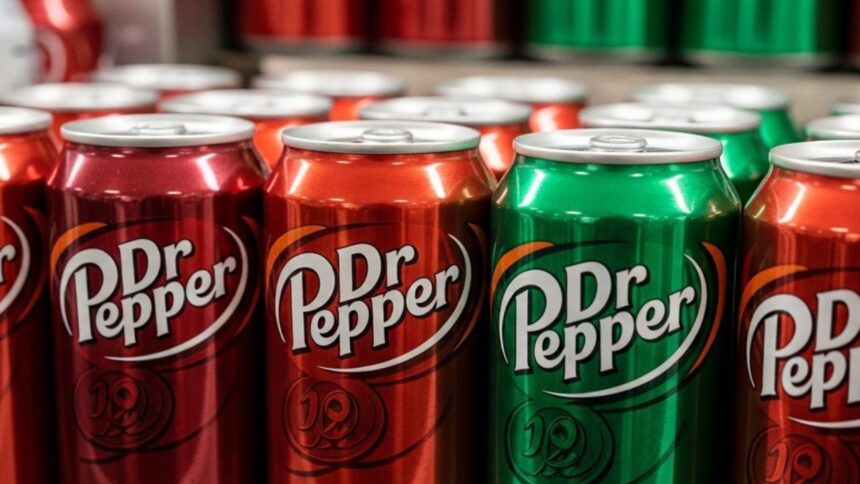
If you went to grab a case of Dr Pepper at the store in 2024 and found empty shelves, you definitely weren’t alone. Folks across the country started noticing that their favorite soda wasn’t as easy to get as it once was. For some, it was a minor annoyance; for others, losing access to that familiar cherry-vanilla flavor was a genuine frustration.
So, what really happened? The Dr Pepper shortage in 2024 boiled down to a mash-up of problems: lingering supply chain hiccups, too few workers at bottling plants, and not enough aluminum cans to go around. High demand put real pressure on supplies, especially as people started noticing other soft drinks were getting scarce too.
The Headaches Behind the Shortage — Supply, Labor, and Cans
The supply chain mess wasn’t new by 2024, but for Dr Pepper, it kind of came to a head. A lot of the manufacturing depends on timing—ingredients, packaging materials, shipping all need to line up perfectly. In 2024, that just didn’t happen smoothly.
Why the hold-ups? Labor was one issue. Factories didn’t have all the hands they needed. Skilled technicians and production workers were in short supply. Even trucking companies had trouble hiring, so shipments sometimes sat around waiting to get picked up.
The can shortage became a problem too. The pandemic years put everyone in the habit of drinking more canned drinks at home, and that demand stuck around. Aluminum prices jumped, and suppliers struggled to keep up. Every soda company had to jostle for a limited number of cans, and sometimes Dr Pepper lost out.
Meanwhile, people kept buying. So as supplies ran low, stores started limiting how much you could buy each time. Instead of big displays, you’d see signs saying “limit two 12-packs per customer.”
Where Was Dr Pepper Hardest to Find?
Not everyone experienced the shortage the same way. In Texas and other parts of the South, Dr Pepper was often easier to find. Honestly, that’s not too surprising considering Dr Pepper’s roots run deep there—it was invented in Waco, Texas back in 1885.
Elsewhere, though, shelves could be picked clean. Grocery chains in the Midwest, Northeast, and Pacific Coast sometimes saw spotty deliveries for weeks at a time. Major retailers like Walmart and Target could usually keep some stock of the main flavors, but selection was much thinner than usual.
People started noticing purchase limits at supermarkets. Some stores let you buy only a couple of packs at a time. Other times, there were only singles left, or just offbeat variants.
A few savvy drinkers figured out that fast food spots and gas stations with drink fountains almost always had Dr Pepper available. That’s because Keurig Dr Pepper (KDP) has long-standing deals letting Coca-Cola and Pepsi bottlers handle fountain soda for them. If you were desperate for a fix, swinging by a McDonald’s or an independent burger joint often paid off when the grocery aisles didn’t.
Social Media Panic and Rumors (and Some Real Answers)
Whenever shelves go empty, rumors seem to follow—and Dr Pepper’s shortage was no exception. In 2024, Twitter and Facebook saw a burst of posts claiming that Dr Pepper was being discontinued entirely, or that the company had secretly scrapped its most popular flavors.
Fake screenshots and out-of-context news headlines made things worse. Some even showed totally fabricated statements supposedly from Dr Pepper themselves, saying the drink was “permanently offline.” Most of it was nonsense, but worried fans clicked share.
Keurig Dr Pepper caught wind of the buzz and responded fast. In May 2024, they put out statements (and answered a flood of customer emails) confirming that Dr Pepper wasn’t being discontinued. Main flavors like Original, Diet, Zero Sugar, and Cherry weren’t going anywhere. If you saw your store missing a special limited edition—say, the spicy “Hot Take” or a seasonal variant—that was just a normal rotation.
KDP also tried to get ahead of the rumors with proactive social posts and customer service updates, reassuring people that the shortages were temporary, not a sign of Dr Pepper vanishing forever.
Smart Moves for Dr Pepper Fans (And a Few Cautions)
When a favorite product runs low, it’s easy to panic or pay crazy prices online. But there were a few reliable tricks if you really needed your Dr Pepper fix.
One of the best bets was sticking with fountain sodas—the ones you could get at fast food restaurants, convenience stores, or movie theaters. That side of the business rarely missed a beat in 2024, thanks to Dr Pepper’s partnerships with the big bottlers.
If you were looking for take-home cans or bottles, KDP rolled out a couple of tools to help. Their official store locator website could show which nearby retailers were getting shipments. They also set up a text alert system: send “DRP” to 888-777, and you’d get updates on Dr Pepper deliveries in your ZIP code.
Buying online was a gamble, though. Sites like Amazon and Walmart sometimes listed Dr Pepper for double or triple normal prices when local shelves were empty. Shipping delays and sometimes outright scams made things tricky. KDP’s own guidance suggested not to panic buy—most stock interruptions lasted just a day or two.
Some stores set hard limits—two packs per customer—in an effort to keep hoarding in check. Most experts agreed: if everyone kept their cool, the shortage would pass faster.
Big Changes in 2025—The Reyes Coca-Cola Bottling Transition
Just as things were settling down from the 2024 crunch, Dr Pepper fans got hit with a new challenge in late 2025. This time, it had nothing to do with labor or aluminum—it was about business contracts and distribution.
A Texas judge ordered the end of Dr Pepper’s longstanding licensing agreement with Reyes Coca-Cola Bottling. That bottler handled a big chunk of Dr Pepper’s presence in multiple US regions, especially out West and in larger city markets. When the partnership ended in October 2025, shelves first got thinner, then bare in some places. Stores like WinCo had only limited stock, sometimes just single bottles or certain variants.
Keurig Dr Pepper took over distribution themselves, which was a massive undertaking. They promised a stronger, more flexible supply chain once the transition was finished. But in the short term? Consumers saw patchy stock, shifting price tags, and lots of questions at the register.
The situation was a classic case of a big corporate handoff making things weird on the ground, at least for a few months. That’s often what happens when brands take back control from third-party distributors.
If you check out broader business news in that period, like at Business Focus Magazine, you’ll find these sorts of transitions can ripple through entire supply chains. Everything from how trucks are routed to how new deals are made with grocery chains has to be re-negotiated and re-tested.
Looking Ahead—Could It Happen Again?
Keurig Dr Pepper tried to stay out in front of both shortages. By late 2024 and into the 2025 transition, they ran factories at maximum speed, opened new partnerships, and kept lines of communication open with stores.
Bigger challenges—like sourcing enough aluminum, finding skilled workers, and securing sugar—still hovered over the soda industry as a whole. Increased demand for canned sodas didn’t disappear overnight, so the broader category saw similar supply struggles.
Most industry insiders (and the statements KDP made) suggested that the worst turbulence would fade by the end of 2025. There’s no real evidence of a shortage carrying deep into 2026. If you’re hoping to restock your basement fridge or plan for a family picnic, things should look a lot more normal.
The soda business is always balancing production, supply, and the whims of thirsty fans. Every once in a while, a perfect storm like 2024-2025 can break out—but the odds of it happening every year aren’t high.
What Did We Learn? Dr Pepper Shortage Takeaways for 2024-2025
If this whole saga left you frustrated, you definitely weren’t alone. For super-fans, missing out on Dr Pepper was more annoying than skipping Starbucks for a week.
But in a weird way, it’s a good reminder that even simple products can involve hundreds of tiny steps, suppliers, and workers. When a few things go wrong, it snowballs quickly.
For now, the smart moves are still the basics: Check the Dr Pepper website or text service for updates. Be flexible about which retailers you visit, try fountain drinks if you strike out at the grocery store, and resist the urge to panic buy online.
Keurig Dr Pepper has shown it can adapt—even when major contracts change, or global supply issues crop up. Most people who rode out the 2024 and 2025 shortages should find the going smoother ahead.
Watch for any big headlines or company updates, but otherwise, things look set for a slow return to normal. Your next Dr Pepper probably won’t require detective work—or a road trip to Texas.
Also Read: