



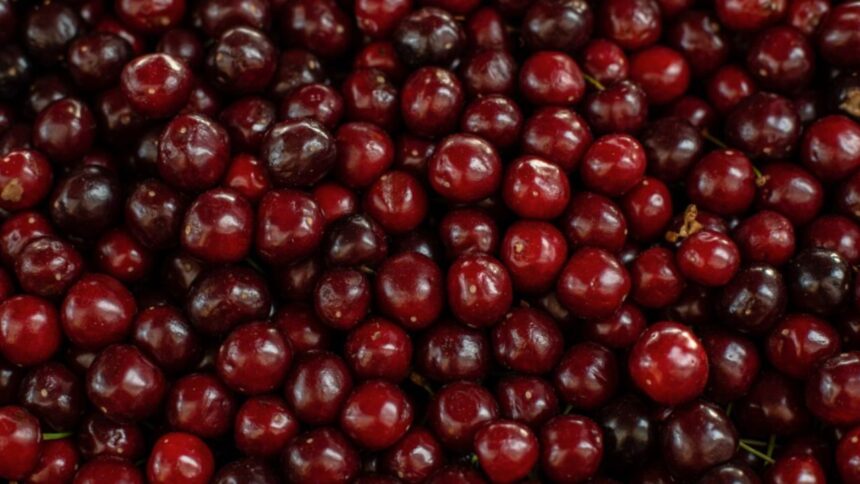
Every fall, a lot of us start thinking about cranberries. From sauce on Thanksgiving tables to dried cranberries in salads, it’s just something you expect to find—until you can’t. That’s what’s happening now, as the US faces a very real cranberry shortage for 2025. The crop is down, the shelves are feeling it, and there are a few reasons why.
The US cranberry crop, for 2025, is forecasted at 8.13 million barrels. That sounds like a lot, but it’s actually about 9% less than last year. If you’re someone who tries to stock up on cranberry juice, dried cranberries, or even the classic canned sauce for the holidays, you’ll probably notice. Retailers say they expect empty spots in the produce aisles and higher price tags by November and December.
Why Are There Fewer Cranberries in 2025?
The short version: Cranberries are really finicky. They need the right water, the right weather, and, honestly, a lot of luck. This past year, that luck ran out.
Hotter Summers and Drier Falls
First, let’s talk about the weather. Cranberries like cool nights and consistent moisture. In 2023, things started heating up—a run of hot days made it hard for the berries to grow and mature at the right pace. By the fall of 2024, drought hit even harder, especially in New Jersey. That October ended up as the driest New Jersey had seen, according to growers. Yields dropped sharply as the vines just couldn’t keep up.
Then, in Wisconsin—which grows more cranberries than any other state—another problem showed up. Their main berry variety usually ripens in stages, so farmers can plan their harvests. But in 2025, everything ripened all at once. That sounds convenient, but it actually makes the harvest hectic and stressful, meaning more fruit goes to waste.
Running Low on Water (and Money to Move It)
Cranberries are one of those crops that need water for more than just growing—they have to flood fields during harvest. But as natural water sources dried up, farmers turned to pumps, pulling water from wherever they could. That’s expensive. Spending more just to irrigate the fields means smaller profit margins, so some farmers delay the harvest, which can further lower the yield or hurt fruit quality.
Water access issues aren’t just about paying more, either. Sometimes, there just isn’t enough water to go around. If a farmer can’t flood their cranberry bogs, the whole process gets stuck.
Fewer Workers, More Hassles
You can’t harvest cranberries without people—believe it or not, plenty of the work still requires hands-on labor, especially for smaller family-owned farms. But seasonal labor is in short supply. Fewer workers mean slower harvests, longer days, and sometimes, fruit that just can’t be saved in time.
It doesn’t end at the farm, either. Shipping is another headache. Post-pandemic, there are still bottlenecks with getting packing materials like boxes and film, not to mention getting trucks and railcars where they need to be. If growers can’t get their berries to the plant, or their juice to stores, it’s as if the crop never existed.
Costs Stack Up—Especially for Small Farms
It’s not just drought and labor. Everything on a cranberry farm—machinery, water pumps, labor—costs more in 2025. Small growers have been hit the hardest, particularly in Massachusetts (which saw a huge 22% drop), New Jersey, and Oregon. Some families who’ve farmed cranberries for generations have finally decided it’s just not worth it. That’s a big shift, especially in places where cranberry farming feels like a tradition.
How the Numbers Break Down by State
Cranberry farming isn’t spread evenly across the country—most of it happens in just a few states. For 2025, the numbers look like this:
- Wisconsin: 5.3 million barrels forecasted, which is still 60% of the whole US crop. They’re actually doing slightly better than their three-year average, despite the odd ripening. Their drop is just about 3% from last year.
- Massachusetts: Only 1.75 million barrels are expected—down a serious 22%. That state’s drought hit harder and longer.
- New Jersey: Down about 12%. It’s not a huge cranberry state by comparison, but being the driest October on record certainly didn’t help.
- Oregon: Also looking at about a 10% drop.
- National Average: The 2025 forecast (8.13 million barrels) is close to the five-year average of 7.95 million barrels.
So, technically, the country is still in the same ballpark as past years, but the year-to-year swings are getting bigger. In some places, things look pretty bleak if you’re a small producer.
What This Means If You’re Trying to Buy Cranberries
If you’re someone who likes stocking up for Thanksgiving or just throwing dried cranberries into your salad, the first thing you’ll probably notice is that it’s getting harder to find your favorites. Retailers are already warning about shortages of juice, sauce, and dried cranberries heading into the holiday season. Stores that do have them may up the price by a fair bit.
Restaurants may stop offering cranberry sauce or cocktails with cranberry juice. Grocery stores could run out of certain cranberry snacks, while brands might quietly use other fruits as fillers in mixed products.
Some makers will try to stretch what they have. They’ll freeze berries to keep the supply going longer or prioritize making the most in-demand products, like juice or supplements. Others might scramble to buy cranberries from Canada or South America, where possible, but those imports add to the price.
How Growers and Brands Are Trying to Cope
Farmers and processors aren’t just throwing up their hands. They’re changing things up—if you look at how Ocean Spray and similar companies handle a poor harvest, you’ll see some familiar tricks. Freezing more berries after picking is one. Processing just the most popular stuff, like big jugs of juice, is another.
Some are making new products that use less actual fruit or find a use for imperfect berries, like powders for supplements. That makes sense, since more people now buy cranberry-based supplements for potential health benefits, especially for urinary tract health. But when it comes to classic cranberry sauce or fresh pints in produce aisles, it’s more a question of “Is there any left?”
There’s also a bit of innovation out there. Whether it’s new hybrid cranberry plants or new harvesting equipment, the industry is trying to keep up—though that takes time and money.
Cranberry Farming Faces Long-Term Shifts
One strange fact: For years, the cranberry world had the opposite problem—too many berries. From about 2018 to 2022, there were heaps of cranberries, enough that prices dropped and some farmers plowed under their vines rather than harvest.
But now, with climate swings, ongoing drought, and new expenses, growers are getting squeezed. That five-year average (7.95 million barrels) used to feel comforting, but the reality is that no one’s sure what will actually come in by season’s end. Some farmers are betting on more resilient berry varieties for the future and experimenting with sustainable—that is, less water-hungry—farming tricks.
Then there’s the market side. The global cranberry business, driven not just by jam and sauce but also by wellness products, is set to grow to almost $3 billion by 2030. That sounds like a huge opportunity, but it’ll only work if someone’s able to keep growing cranberries reliably, and at a cost that works for regular people—not just big companies.
Organic cranberries, by the way, are another twist. They’re harder to produce in drought years because you can’t lean on conventional solutions. There’s still growing demand, but supply lags, and that won’t change overnight.
Looking Back—And Ahead
In the end, what we’re seeing now is a shift from years of overproduction to a year where everyone’s fighting over a smaller, more expensive batch. It’s frustrating if you’re a grower who remembers dumping berries just a few years ago. It’s even more annoying if you’re someone who just wants to make a cranberry dessert for Thanksgiving without spending an extra ten bucks.
There is some hope for stabilization, especially if the weather returns to something closer to “normal,” whatever that means now. Big cranberry buyers and trade groups are also putting money into research, better forecasting, and smarter farming techniques.
But when it comes down to it, the cranberry shortage in 2025 is a reminder: even products we think of as ever-present, like cranberry sauce, are tied to work, weather, water, and a supply chain that’s still feeling the effects of the last few wild years.
If you’re curious about what businesses and producers are doing to cope, it’s worth checking out interviews and industry round-ups at sites like Business Focus Magazine. They’re following how agricultural sectors are responding—not just cranberries, but across the board.
So if you can’t find your favorite cranberry juice this fall, now you know why. The cranberry world is feeling the squeeze, and until some of those pressures change, it’s likely to stay tight. Whether enough farmers will stick it out—and whether consumers are willing to pay more—remains an open question. For now, you may just want to grab a bag if you spot one.
Also Read: