



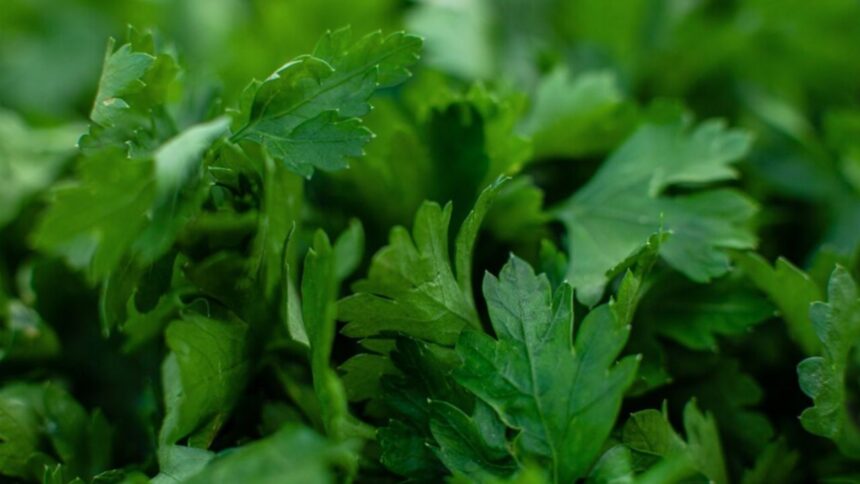
If you’ve tried to find cilantro lately and either can’t, or your taco stand is charging a lot more for it, you’re not imagining things. There’s a real shortage of cilantro going on, and it’s got both shoppers and restaurant owners scrambling. The problem mostly starts in Mexico, but it isn’t just about one country. It’s a perfect storm that starts in the fields and ends on your plate.
Cilantro is one of those herbs that feels like it’s everywhere. In Mexico, it’s a taco-shop staple. In the U.S., it’s on top of burritos, in salsas, and all over Asian and Indian recipes. When something so common suddenly gets scarce, it’s not just chefs that notice. Shoppers in North America have seen smaller bunches, wilting leaves, and higher prices since early spring.
What’s Really Causing the Cilantro Shortage?
It all comes back to some rough months in Mexico, which supplies most of our fresh cilantro. You might think plant diseases or normal bad weather would explain it – but this go-around, the problems stacked up.
First, hailstorms slammed parts of Puebla in April and May 2024. Puebla grows the most cilantro in Mexico—just under half the country’s total. The storms battered over 200 hectares of crops. For cilantro, that meant snapped stems, shredded leaves, and fields where 60 percent of the planted crop was a loss.
Then, the drought arrived. In places like Hidalgo, another key growing area, things got so dry that plants yellowed or wouldn’t even sprout. Producers reported “extreme” drought, and that’s not marketing talk—plants simply failed to thrive, and fewer farms even bothered to re-plant for the next round.
Pests also jumped in at the worst time. Aphids invaded throughout Puebla, munching their way across nearly 1,000 hectares of cilantro fields over two months. With the plants already stressed from drought and hail, they just couldn’t fight back, and farmers lost whole fields in a matter of weeks.
On top of all this, higher temperatures sped up plant drying and made it tricky to transport whatever was left. Trucks that carried cilantro from the fields to local markets had to work extra hard to keep it fresh. Production costs shot up for farmers—from about MX$20,000-25,000 per hectare in the past, to as much as MX$60,000-70,000. So, even when farmers had a crop, getting it into stores cost more.
Puebla usually leads Mexican cilantro production, putting out about 47,000 tons a year—over 40% of the country’s supply. Other states, like Baja California, Aguascalientes, and Sonora, make up most of the rest. But when Puebla is hurting, everyone notices.
What Happens When There’s Not Enough Cilantro? Prices Soar
The shortages started showing up fastest in Mexico City, where wholesale and retail prices jumped almost overnight. At the giant Iztapalapa market, for example, a bundle of five kilograms (roughly eleven pounds) used to sell for about MX$130, or US$7. By summer, that same bundle cost as much as MX$450—almost US$24.
Other markets, like those in Ecatepec and Toluca, saw similar jumps, with prices going from MX$130 to MX$350 for a bundle. By weight, the average price per kilogram climbed from MX$19 in April 2024 up to MX$89—a more than fourfold increase. That’s the kind of jump you really feel if you’re buying cilantro by the crate, trying to keep your taco stand open.
For food vendors and neighborhood restaurants, this wasn’t just annoying. It changed how they did business. Some taquerias in Mexico City started leaving cilantro off tacos or putting out tiny dishes of it if you asked. Others raised prices or switched to parsley when they could. Shoppers in local produce stalls started buying less or skipped it altogether, hoping prices would come back down soon.
Growers and vendors said relief wouldn’t really show up until fresh harvests from later plantings arrived. Until then, everyone just had to wait or pay extra.
What’s Happening in the United States and Canada?
Mexico supplies the vast majority of cilantro sold in North American grocery stores and restaurants. So, when Mexican farms have a problem, the effects reach across the border pretty quickly.
Over the past year, weather in the U.S. hasn’t done cilantro farmers many favors either. In places like California and Arizona—key cilantro producers for the U.S. market—conditions have been tricky. There’s been heat, sudden dryness, and winds that stress the plants. That leads to bunches that wilt right on the shelf. Whole fields can get “tip burn,” yellow leaves, or mature so fast that farmers can’t pick them in time.
To help fill the gap, wholesalers have turned to Michigan-grown cilantro and a mix of other U.S. sources. Distribution reports say Michigan cilantro entered the market earlier than usual this year as everyone scrambled to cover shortages. Crops from Oxnard, Holtville, Yuma, Santa Maria, and even from northern Mexico came in, but the quality and supply numbers have gone up and down with each week.
Retail prices in the U.S. — based on market surveys in early 2026 — now average around $0.78 to $1.12 per bunch. But weekly volumes for stores range widely, from as few as 571 to over 2,000 reported units. One week you see plenty, and the next, your local supermarket is down to a small pile of tired-looking bunches.
There’s More Going On Than Just the Weather
Cilantro’s story is about more than a couple of bad weather months. Agriculture experts say climate change has started to make every growing season more unpredictable. When temperatures swing or rain doesn’t come as planned, crops like cilantro, lettuce, and leafy greens suffer the most.
Labor and supply chain bottlenecks have also made it tougher for both Mexican and U.S. farms. Just finding enough people to plant, harvest, and quickly move cilantro to stores is a challenge now. Packing sheds need more cold storage — just as fuel and labor costs are rising.
These problems all show up in a simple way: some weeks you’ll see lots of cilantro, other weeks you’ll see a price sign and an empty box.
Looking Ahead: Any Relief Soon?
So, how long will this last? That depends on a mix of weather, farm recovery, and shifting food trends.
Most experts say availability won’t bounce back until new rounds of plantings are harvested — maybe in several weeks for some regions, or even a few months for others. Until then, food businesses and shoppers will likely keep paying higher prices or cutting back.
Farmers in Mexico are calling for better irrigation. When drought hits, good irrigation can make all the difference for cilantro fields. There’s also talk of crop insurance, government support, and finding new pest management methods to fight aphids and other insects.
Even so, climate adaptation is the big topic among growers and suppliers. It’s about more than just one season—it’s about preparing for more years like this. The food industry is starting to notice, and companies are sharing tips and case studies over on sites like Business Focus Magazine about how to protect supplies and stay flexible.
For North American retailers, the market looks steady — but with a warning. Weather forecasts and farm reports show just how close we might be to another round of shortages if drought or storms come back. Even if supply rebounds for now, next year’s crop could face new risks.
So, Should You Worry?
If cilantro’s gotten too pricey for your salsa or taco night, you’re not alone. Taquerias, grocery stores, and home cooks across North America are making do with less or finding substitutes for now. Most growers and market experts say this is a temporary situation, even though it’s a sharp one.
You can expect prices to eventually ease up as new fields are planted and harvested. But as growers in both Mexico and the U.S. get serious about climate change, unpredictable supply might be the new normal for cilantro and other herbs.
For now, whether you’re a takeout fan or a home chef, keep an eye on the price sign — and maybe appreciate cilantro a little more the next time you spot it in your shopping cart.
Also Read: