



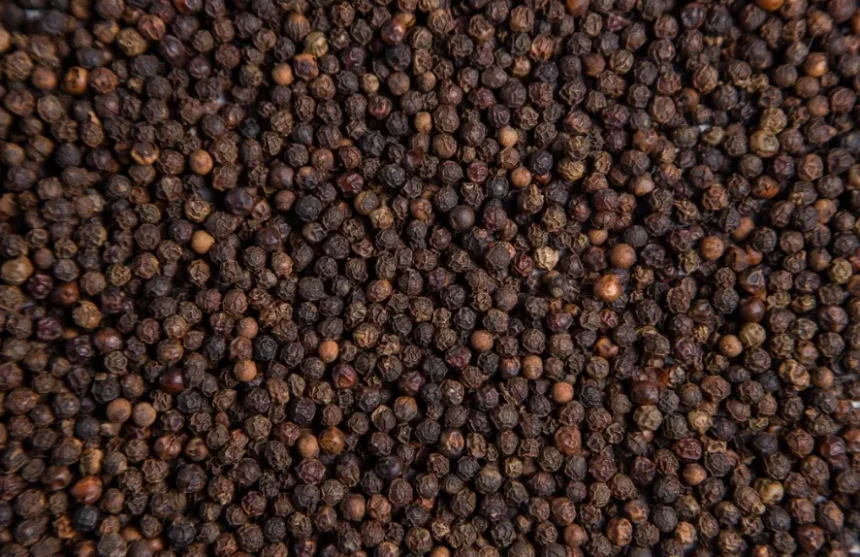
If you noticed black pepper running low on store shelves in 2025, you weren’t imagining things. Across home kitchens and restaurants, even the most basic spice suddenly turned into a hot-ticket item. The squeeze on pepper supply last year came as a surprise to many, considering it’s one of the world’s most familiar seasonings.
But black pepper’s journey from farm to table is more tangled than it looks. Right now, experts are still sorting through exactly why the crunch was so sharp in 2025—and whether the same thing might happen again. Here’s what went wrong, what it meant for prices, and why the outlook for 2026 already looks different.
What Drove the Black Pepper Shortage in 2025?
Wild Weather in Key Growing Countries
It started with the weather. Most of the world’s pepper is grown in just a handful of places, especially Vietnam, India, Indonesia, and Brazil. In 2024 and early 2025, weird climate patterns made things tough for all four. Sudden rainy spells and heavier monsoons brought a nasty fungus to the surface, causing a problem called fruit rot that ruined many peppercorns in India and Vietnam.
Some growers saw their pepper vines produce barely half their usual yield. In Indonesia, heavy rainfall delayed the harvest, so fewer bags left the farms on time. The pepper that did make it into storage or onto ships sometimes failed quality standards. Climate change played a role, too—temperatures have become unpredictable, which means less consistent crops and, as farmers found out, poorer pepper quality.
All Eggs in a Few Baskets
Here’s the thing about black pepper: about 80% of global supply comes from just four countries. That makes the global market pretty fragile when two or more have a bad year at the same time. Black pepper farming isn’t always lucrative, so when farmers saw money in other crops, especially in Vietnam, they switched. The result? Less land planted with pepper vines, and lower yields than usual when bad weather hit.
At the same time, suppliers and importers couldn’t just flip to a backup pepper origin. No one else had extra stock waiting in the wings. If one big pepper country stumbles, there aren’t enough small producers to fill the gap.
Tariffs and Trade Trouble
While farmers fought the monsoon, the global pepper trade hit its own traffic jam. The United States, which buys loads of pepper, hit Brazil with a 50% tariff starting in August 2025. Vietnamese pepper also got hit with tariffs as high as 20% for some exporters, after a bigger increase was put on pause.
It meant that, for importers, the price to actually get black pepper into the country shot up, even if the price at the farm or port wasn’t far off the old normal. Landed costs (the total to secure pepper in warehouses) rose, putting added pressure on spice companies and food manufacturers who couldn’t pass every cost on to customers straight away.
More Demand—and Strategic Hoarding
Through all this, demand for black pepper didn’t really fall. If anything, U.S. and EU consumption held firm. China’s importers, sometimes speculative, moved in to buy up whatever stock they could while prices still looked stable.
The shortage turned into a bit of a game in Vietnam. Some traders, expecting prices to keep rising into early 2026, decided to hold onto their inventory instead of shipping it out right away. This speculation kept the pressure on supply, especially for organic pepper, which needs more care and was even harder to find because of stricter global standards.
Pepper Prices Shoot Up
In the thick of 2025’s shortage, prices started climbing. By August, Vietnamese pepper reached between $6,300 and $6,800 per metric ton (MT). Indonesia, where delays hit harder, saw prices up to $7,800/MT. Indian pepper, generally considered a premium thanks to its pungency, spiked to $8.1 to $8.4 per kilogram, its highest in recent memory.
For importers and big food brands, this meant making tough choices: pass on the price, absorb some losses, or blend with cheaper alternatives. Home cooks saw shelf prices for “ordinary” black pepper go up, sometimes by 30% in supermarkets. Restaurant owners and spice makers told customers to stock up early or switch to other types, like white or green pepper, when they could.
Downstream Effects: How 2025’s Shortage Played Out
The numbers paint a clearer story. In 2024, the world harvested around 520,000 tonnes of black pepper. By the end of that year, inventories were slim—carryover stocks were unusually low, especially in Vietnam.
Come 2025, there just wasn’t any backup. Some spice wholesalers with deep pockets maintained stockpiles and tried to bridge the gap, but most couldn’t. Tight inventories drove panic buying in some sectors, especially as food producers worried about locking in their costs.
In the U.S. and across Europe, more shoppers started to see bulk packages marked “out of stock.” Even major restaurant chains scaled back promotions involving fresh ground pepper. Some companies stretched their stocks by ordering smaller grain sizes or blends, but questions about quality lingered. If you went looking for whole peppercorns for your grinder, you might have noticed slimmer pickings.
Looking Ahead: Signs of Relief for 2026
Production Forecasts Point up Again
So, is black pepper about to get cheap and plentiful again? The short answer is—not exactly, but things look better than they did a year ago.
Early forecasts for 2026 suggest a global production rebound, possibly up to 540,000 tonnes. The main driver is India. In Kerala and Karnataka, the 2025 monsoon season was more “normal”—enough wet to feed the vines, but not so much to spark fungus or fruit rot outbreaks.
These conditions mean Indian pepper yields look set to rise. Experts say the coming crop also boasts higher piperine content, which should please buyers wanting robust flavor.
Vietnam: Exporting More Again
Vietnam, still the world’s top pepper supplier, saw a slight export dip in 2025 because of those earlier crop shifts. Still, traders are optimistic that exports will bounce back in 2026. With supply still tight in Brazil and Indonesia and ongoing strong global demand, Vietnam’s growers and exporters have new incentive to boost output and shipments.
Pepper prices soared in Vietnam last year, partly due to shortages elsewhere, and while they’re staying firm, they’re not racing out of control. Signs point to stable trading and, eventually, less hoarding as traders regain confidence the worst is over.
Market Stability with Some Risks Still
The other pepper giants—Brazil and Malaysia—are both on a partial recovery path. Brazil’s 50% U.S. tariff still stings for exporters, but better weather and crop yields offer hope that global pepper supply is on firmer footing. Malaysia, a much smaller player but often an indicator of where Asian prices might go, is also chugging along.
Most big buyers expect a somewhat tight market, but not a repeat of 2025’s panic. Prices for premium grades are expected to hold but not spike wildly. It’s good news if you enjoy fresh-ground pepper with dinner. Demand is strong but looks more balanced with supply—so a runaway “bull market” for pepper isn’t on the cards.
Still, nobody’s betting against another year of surprises. With climate change in play and tariff threats still looming, there’s always a chance for sudden bumps in the road. Organic pepper remains particularly stressed, as both supply and quality are still recovering from last year’s issues.
Origin-by-Origin: The 2025 Price Recap and Where We Stand
Let’s recap the main players:
- Vietnam: Topped out at $6,300–6,800/MT during the height of the shortage, squeezed by weather and farm changes, but exports should rise again.
- Brazil: Saw FOB prices at $5,900–6,400/MT, but a 50% tariff pushed the real cost up for the U.S. Still working toward recovery.
- Indonesia: Higher prices ($7,300–7,800/MT) owing to slow harvests and shipping issues. No major new supply coming yet.
- India: The most expensive, but for a reason—$8.1–8.4/kg, reflecting higher costs for quality and extra demand when other sources dried up, with this year’s crop expected to be better.
You can find out more about business trade and supply updates for commodities like pepper at Business Focus Magazine.
Practical Tips and What Comes Next
If you’re a foodie or run a restaurant, you probably already felt 2025’s shortage. Some grocers still recommend buying whole peppercorns to stretch your stash at home. Others suggest experimenting with alternatives in soups, meats, or even seasoning blends. Looking at the numbers now, supply chains are slowly loosening; prices for ordinary pepper should level out, except for premium or organic grades.
Let’s be real: the black pepper market isn’t about to flood supermarkets with bargain deals. We’re more likely to see a slow, cautious return to “normal,” shaped by next season’s weather and how much demand picks up as prices steady.
For farmers, some are weighing up whether to stick with pepper or gamble on other crops. For buyers, the lesson is clear: black pepper may be basic, but it’s subject to the same shocks as any global commodity. And as home cooks have found, it pays to watch the pepper market now and then—even if you’re just restocking the grinder.
Growing, moving, and pricing black pepper comes with more drama than you’d expect for a kitchen staple. But for now, shelves are slowly refilling. Suppliers are breathing a little easier than last year. And if you’re planning a dinner party, chances are you won’t have to ration the pepper.
The market isn’t all the way back to normal, but it’s heading in the right direction—at least for the time being.
Also Read: