



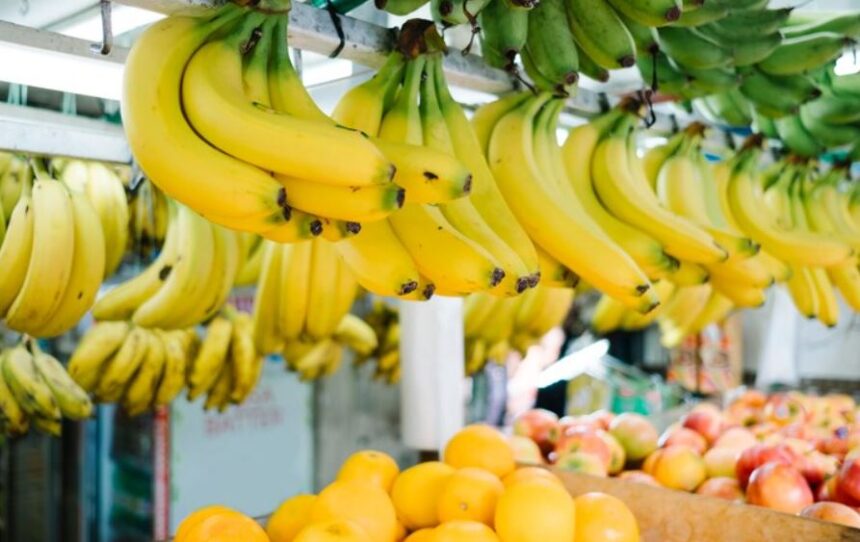
The banana has always been an easy, grab-and-go fruit. It’s in nearly every fruit stand and school lunchbox, from Costa Rica to Canada, and from city apartments to rural kitchens. But the truth is, if you’ve noticed banana prices ticking up or those grocery displays looking a bit emptier than usual, you’re not imagining things.
A drought, a rainstorm, or a stubborn plant disease used to mean a tough year for some banana growers. Now, things are bigger—the world is in the middle of a real banana shortage. And it’s not a quick fix. Experts are saying this squeeze could last into 2026, affecting countries, retailers, and millions of shoppers like you and me.
The Shortage: What’s Happening Right Now
If we look at the map, Latin America leads global banana exports. Think of places like Costa Rica, Ecuador, Colombia, and a handful of others. They grow a huge share of the bananas that end up in your lunch or smoothie. But lately, the numbers haven’t been good.
Costa Rica, one of the biggest players, has already reported a 23% dip in its 2025 harvest. That’s a loss of about 12.4 million banana boxes—seriously, picture a mountain of bananas just not there. They’re blaming a strange mix of weather (too wet, then too dry), higher input prices, and diseases that make bananas harder to grow and keep healthy.
It’s not only Costa Rica, either. South and Central America, in general, have been hit with problems. Rainfall patterns have shifted. Fungus infections have crept into new farms. When you put it all together, global supplies are tightening up. Forecasts don’t show a fast turnaround. In fact, it may get worse before it gets better.
If we peek ahead to next year, local experts are bracing for even slimmer harvests before things might pick up in the second half of 2025. Costa Rica’s main banana association, Corbana, expects production for 2026 to hit around 118-120 million boxes. That’s still lower than what would be considered a normal or healthy crop. They say 2025’s total could drop to just 110-112 million if the bad weather and disease problems hang around.
Maybe you’re thinking: does this mean there will be no bananas in stores? Not quite. There will still be bananas—but maybe not always the sizes or prices we’re used to.
Why the Weather—and Science—Matters More Than Ever
Let’s be honest: growing bananas isn’t as easy as it looks when you see those ribbon-wrapped bunches at the supermarket. The banana plants themselves are kind of fussy, needing a stable mix of warmth, rain, and disease control.
Here’s the tough part. The world’s key banana-growing regions are changing faster than farmers can adjust. Climate change—yep, the big one everyone talks about—hits banana farms hard. Warming brings more extreme heat, and with it, new illnesses and weird weather swings. In Latin America and the Caribbean, experts say up to two-thirds of land now used for banana farming could be *unsuitable* by 2080 if these trends continue. That’s not a small detail. These regions currently supply 80% of all global banana exports.
Diseases are another growing problem. There’s Black Sigatoka, a leaf-spotting fungus, and an even scarier one called Tropical Race 4 (TR4) that’s working its way through South America. Both are tough to control—TR4 can knock out entire plantations—and they get worse when the weather is warm and humid.
According to a recent study in Nature Food, rising daytime temperatures and less predictable weather could shrink key banana-growing areas by 60% or more. Some countries, especially small island states and rural economies, may lose their top source of export income and jobs.
How Growers Are Trying to Keep Bananas Alive
So, what are growers and governments doing about all this? Quite a lot, actually, although it’s still not clear if it’ll be enough.
Costa Rica’s Corbana is trying to hold the industry together by offering financing and technical support. They’re making sure farmers don’t just walk away or abandon their fields, because once farmland is scrubbed of bananas, it takes years to restart. There’s also a push to find new land in less-affected regions, like Costa Rica’s south, to see if bananas will grow better there.
Internationally, some countries not really known for bananas—like Turkey, Kazakhstan, and Russia—are putting up greenhouses or starting large-scale domestic banana farms. The idea: if imports become tricky and expensive, growing your own becomes a financial safety net.
Meanwhile, on the technical side, everyone from university plant scientists to local NGOs are working to develop banana varieties that resist the worst diseases. But these are longer-term bets. For now, the urgent issue is simply keeping current production from sinking even further.
When Prices Go Up but Bananas Stay “Cheap”
Let’s talk about price. In May, banana prices rose by 3.3%. That’s not nothing, especially if you buy a bunch every week. Costs are going up because even after you get the bananas to the docks, new tariffs, shipping expenses, and the costs of disease control all pile on.
Even so, bananas are likely to remain the cheapest fruit in most supermarkets. They’re still incredibly efficient to ship, and countries like Ecuador and Colombia have huge, established industries that limit price spikes. It’s just that the days of overstocked banana displays and super-low prices might be on the way out.
There’s a bigger-picture worry here, too. The banana industry isn’t just about shoppers. It supports more than a million jobs, often in areas where there aren’t a lot of alternatives. For about 400 million people, bananas are also a regular source of calories and nutrition, especially in rural and low-income regions.
If the industry struggles, not only could jobs disappear, but poorer communities could find it much harder to get cheap, healthy food.
All Eyes on Weather, Costs, and the Bigger Food Chain
Looking farther out, the biggest wild card is the weather. If rainfall gets back to normal levels and disease outbreaks slow down, the worst of the shortage might ease by late 2025 or early 2026. But there’s no guarantee: climate predictions are shaky, and every season brings new surprises.
Then there’s the question of money. Input costs like fertilizer, labor, and shipping are up sharply. For many farmers, the work only pays off if prices stay high, or if help arrives from governments or big buyers.
Everyone along the supply chain is watching closely. Will supermarkets share some of the cost pain with growers? Or will prices just keep rising for the rest of us? The debate has already started, with industry groups calling for “shared responsibility.” If nothing changes, some farms might shrink or close, cutting supply even more.
For now, no one’s talking about empty shelves—bananas are still moving through ports and onto store displays. But the line between a “tighter market” and a real food security issue is getting blurry. Bananas are now grouped with global staples like corn and rice as foods that could start seeing real shortages.
If you want to learn more about how companies are handling global supply chain issues and crisis management, check out this business-focused resource for more background.
What’s Next For Bananas—and What We Can Actually Do
Most experts agree there’s no “magic bullet.” Jumbo-scale banana farms can adjust their tactics and lobby for help, but the mix of weather, disease, and basic economics is tough to beat.
The next year or two will mean more adaptation—maybe more domestic production for some countries, a few more price hikes for shoppers, and a push for disease-resistant plants that can handle whatever the climate throws at them.
For now, your morning banana probably isn’t going anywhere, but you might notice the price or quality shift a bit. On a broader scale, the banana shortage is a quiet signal that even everyday foods aren’t immune to climate shocks and economic changes.
If you’re someone who eats a banana every day or you care about how food supply chains react to crises, it’s worth keeping an eye on how this plays out. Bananas have been a staple snack for decades, and keeping them affordable and available really is a global team effort.
So, the next time you grab a banana off the shelf, just remember—a lot goes into getting it there, and the road might get a little bumpier before things calm down. For the people growing the fruit, for the retailers, and for all of us who eat them, bananas are a small but real reminder that the world’s food system is always changing.
Also Read: