



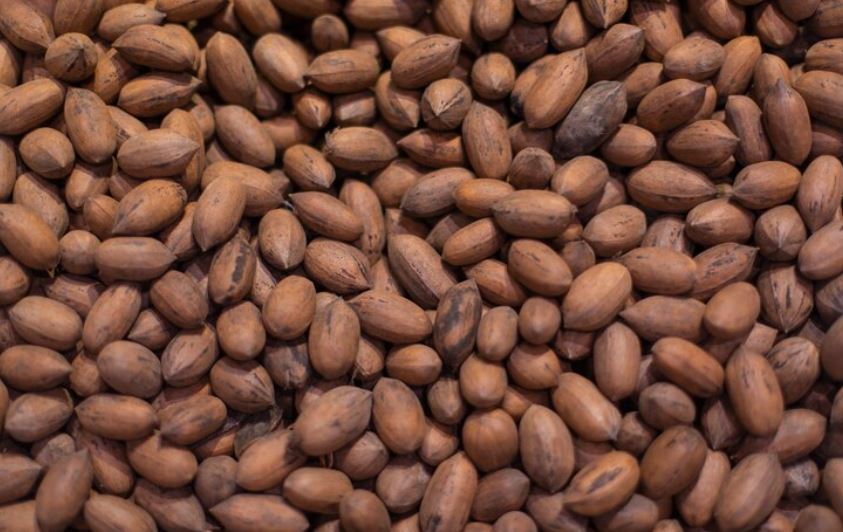
If you eat chocolate, you’ve probably heard something about the cocoa bean crisis recently. For a couple of years, especially in 2023 and 2024, suddenly chocolate seemed a bit more expensive and headlines started popping up. Maybe you wondered if it was hype – or if your next chocolate bar might become a splurge.
In reality, the cocoa shortage was real. It came from a perfect storm of lousy weather, crop diseases, and big changes on West African farms. Let’s break down what led to this crunch, how the markets reacted, and what’s happening with supply and prices now in 2026.
How Cocoa Production Works—And Why West Africa Matters
First, a quick refresher. Cocoa beans are the star ingredient in chocolate. They’re grown mainly in tropical regions, and West Africa is the king here—Côte d’Ivoire (Ivory Coast) and Ghana together make up about 60% of all global production. Nearly every chocolate bar you’ve eaten in your life started with beans from one of these places.
Cocoa farming is mostly a small-scale affair—family farms, aging trees, and lots of manual labor. That means the crops are pretty sensitive to changes in weather and disease. Small disruptions in these countries can shake up the whole world’s chocolate supply.
How Did the Cocoa Shortage Happen?
At first, most people didn’t notice anything unusual. But trouble had been brewing for years by 2023. The main culprit was extreme weather. From April to June 2023, West Africa got hit by months of heavy rain—way more than normal. This set up perfect conditions for fungal diseases, especially something called black pod rot. Think of it as mold that just ruins pods before they get picked.
Then came drought, which put even more stress on already-struggling cocoa trees. In Ghana’s northwest, one of the hardest-hit areas, about 81% of the crop was infected by disease by 2024. Côte d’Ivoire faced similar plagues. This wasn’t just a bad harvest—it was two years of some of the worst yields on record. Reports say up to 40% of the usual supply was lost in some places.
Add in some other problems: Many farmers have very old cocoa trees, which produce fewer beans every year. The cost of fertilizers and farm labor keeps creeping up. Some farmers, faced with low prices or risky crops, switched to things like rubber or even small-scale gold mining. Others had to deal with smugglers, illegal mining ruining good farmland, or being forced off their land entirely.
Put that all together, and it’s no surprise that the world’s cocoa output took a big hit.
What Happened to Cocoa Prices?
If you watched the market, the impact was huge. In early 2023, cocoa traded around $2,200 to $3,000 per metric ton. That’s pretty typical for the last decade or so.
But as the shortage became clear and traders realized how much supply was missing, prices shot up. By late 2024, cocoa bean prices spiked to over $10,000 per metric ton—and at their highest, above $12,000. That’s never happened before.
The price surge wasn’t just paper speculation. Chocolate makers really were paying these prices—or deciding they couldn’t. Consumers started to notice, too. That $2 bar of chocolate suddenly cost $3, or it shrank in size or quality.
Who Felt the Pain?
The obvious answer is anyone in the chocolate business. Big brands like Mars, Hershey’s, and Nestlé saw costs spike. Premium small-batch chocolate makers were especially vulnerable. Some passed on costs to shoppers, but many just couldn’t keep up or had to shrink their product lines.
Even big factories in Europe and the U.S. cut back on grinding cocoa beans. In several regions, processing was down as much as 16% in 2025 compared to a year before, because fewer beans were available—and buyers were turned off by high prices.
On the farm side, it was a mixed bag. Sure, higher prices sound good for farmers. But only the ones able to keep harvesting a crop saw the rewards. Most watched their yields drop so much that even those higher prices didn’t bring in enough extra income.
Cocoa Market in Early 2026: No More Panic, But No Miracle
So where are we now, in early 2026? Prices have dropped from those sky-high levels, but things haven’t gone back to normal.
By mid-2025, the market began to cool. With chocolate getting expensive, less was being sold (this is called “demand destruction”). That took some of the pressure off. At the same time, weather in West Africa improved—rains came at better times, and efforts to control disease had some effect. New growing regions, especially Ecuador and parts of Indonesia, also started to deliver more beans.
By October 2025, cocoa prices in London fell to around $4,000 per ton. Global benchmarks were slightly higher, but still way down from the crisis peak. Into 2026, prices have fallen under $8,000 per ton as supplies pick up. The market expects a bit more balance in the months ahead—analysts predict a medium-term price hovering around $6,000 per ton. That’s still double the “normal” price from a few years ago, so chocolate isn’t about to become super cheap again.
One thing to remember: many warehouses are empty after two years of bad harvests. Even if 2025 and 2026 are better, everyone is still playing catch-up.
How Has the Industry Responded?
Volatility like this always shakes things up. In Ghana and Côte d’Ivoire, government agencies scrambled to reassure exporters and chocolate makers. At one point, Ghana even delayed delivery of 350,000 tons of cocoa in 2024, hoping to wait out the worst of the price spike.
Some of the world’s biggest chocolate brands started looking for ways to protect future supply. Ghana’s COCOBOD (the cocoa regulator) teamed up with Mars to roll out better disease detection in the field, using new tech to spot cacao swollen shoot virus (CSSV) earlier. Other researchers are experimenting with disease-resistant cocoa varieties, and using “biological controls”—basically, bringing in good bugs or microbes to fight off the bad ones.
Farmers are also getting nudged to plant new trees and rotate crops more wisely, but this is easier said than done. Rejuvenating a whole sector, especially with small family plots, takes years—even decades.
Climate Change and the Next Supply Shock
Something most experts agree on: the cocoa industry isn’t out of the woods. Even with the current recovery, farmers face ongoing risks from climate change. The main worry is the Intertropical Convergence Zone—a band of storms and rain that moves around the tropics each year. When this “weather engine” moves unpredictably, as it often does in a warming climate, cocoa regions flip from flooding to drought without warning.
There’s also the risk that black pod rot or CSSV could surge back if farmers let their guard down. Most West African cocoa trees are older than ideal, so big investments in new varieties would help break this cycle. But money and time are both in short supply.
Demand side, chocolate makers are rethinking their recipes and supply chains. Some are blending in other flavors or stepping up marketing to justify higher prices. Others are simply shrinking what goes in each bar (a sneaky industry move called “shrinkflation”).
Is This the New Normal?
It’s fair to say the cocoa market is less predictable than it was just a few years ago. Sure, the acute crisis of 2023-2024 is over, but there’s every reason to expect more wild swings ahead. Chocolate prices probably won’t collapse—the days of $2,000 per ton cocoa look gone for now.
At the same time, some positives have come from the crisis. The industry has started investing in smarter farming, disease control, and better weather tracking. There’s fresh interest in diversifying where cocoa gets grown, with places like Ecuador quietly ramping up. And both buyers and consumers are a little more realistic about what goes into the world’s favorite treat.
If you’re interested in how business deals with volatility, check out Business Focus Magazine for more stories like this—there’s no shortage of industries facing big supply chain wake-up calls.
So, Where Does That Leave Your Chocolate Fix?
If you’re a chocolate lover, you might have noticed a price hike or a smaller bar. That’s not likely to disappear in 2026, but the wildest price days seem to be behind us for now. For small makers, the cocoa price drop means some relief, but the pinch from a couple years of high prices will take time to heal.
Industry insiders think we’re seeing a “new normal” where cocoa trades around $6,000 per ton, not $2,500. That means more incentive to protect crops and experiment with new tech, but also more expensive treats at the store.
Whether this episode changes what chocolate looks or tastes like in the long term is anyone’s guess. One thing is for sure: the cocoa bean supply story isn’t over. Weather, global trade, and farming changes are shaping what ends up in your snack aisle, and everybody’s watching the forecasts a little more closely now.
Also Read: