



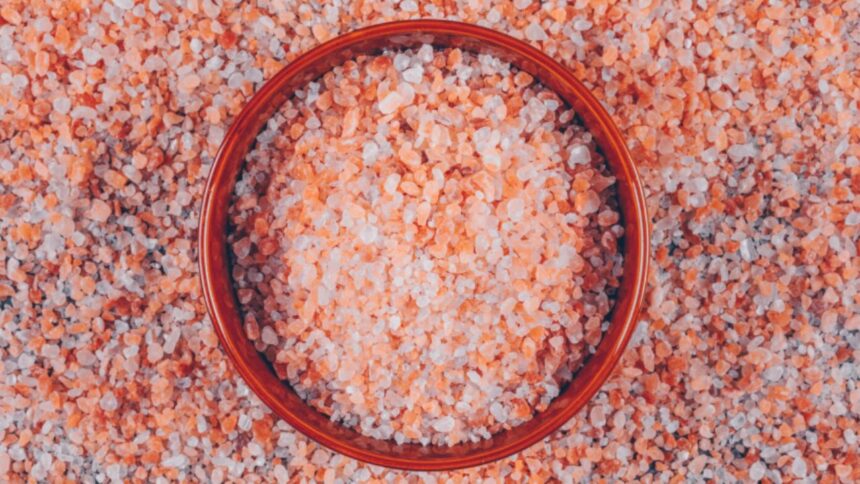
You might not notice it during the summer, but rock salt is at the heart of winter life in North America. Towns and cities toss it on roads before a snowstorm, and homeowners use it to keep their driveways safe when ice hits hard.
But since late 2023, the region has been facing a serious rock salt shortage—and it’s not just a matter of a few inconvenient delays. This shortage is making things tough for contractors, retailers, and even some local governments.
Harsh Winters Led to Fast-Depleting Stockpiles
Let’s start with the obvious reason: the weather. Harsh storms this winter have burned through rock salt reserves particularly fast, in places like northeast Wisconsin and New York. The cold hit especially hard in early 2024, and snow kept falling well into March.
Some towns and businesses went through an entire winter’s worth of salt by early 2025. Stores like Kimps Ace Hardware in Green Bay say they’ve had to wait 60 days for new shipments. Municipal facilities—basically, the folks who salt the highways—got their usual orders filled first. That left a lot of small contractors and private businesses at the back of the line.
Shipping Slowdowns and Shortages at Ports
Using more salt each week is only half the problem. Getting replacement shipments hasn’t been easy either.
Salt arrives in North America by ship, train, and truck. Many bulk imports come through the Great Lakes ports. But bad winter weather often clogs up those routes, and this year was worse than usual. Ice on the lakes slowed ships hauling salt from Canada, Mexico, Chile, or even as far away as Egypt.
Some importers saw delays as long as two months. Getting salt from Egypt or Chile takes at least 14 days by ship to East Coast ports. That’s a big delay compared to domestic sources, which can supply certain locations in as little as three days. When every day counts, shipping delays mean stores and contractors sometimes run out before the next load even docks.
Why Old Mines—and Sudden Closures—Make Supply Worse
You might think North America has endless underground caverns full of road salt, but the reality isn’t so simple.
Most active rock salt mines in the U.S. and Canada are over 50 years old. There hasn’t been a major new mine built in the U.S. since American Rock Salt opened theirs in 2001. Aging infrastructure means breakdowns and maintenance are more frequent, which can cut into supply during crunch time.
Then, there are the closures. When Cargill shut down its Avery Island salt mine in Louisiana, production dropped by about 2.5 million tonnes per year overnight. That’s a lot of missing salt—enough to leave big gaps in the market for several winters.
With no big new facilities to pick up the slack, suppliers and buyers have had to get creative.
Import Dependency: A Risky Bet Every Winter
Add all this up and you start to see why imports now play such an outsized role. North America brings in 8 to 10 million tonnes of road salt each year, largely from South America and abroad.
The trouble is, imported salt faces built-in risks. For one, the shipping times are long—again, 14 days or more, compared to just a few days from a domestic mine. Ports get crowded during winter, so a snowstorm in the Midwest can ripple out, causing supply crunches as far as the East Coast.
Importers this year struggled to get shipments through on time. Many bulk buyers had to pull from more distant ports or pay extra to get salt delivered by rail in a pinch.
Which Areas Have It Worst?
The salt shortage isn’t hitting every region the same way, but some places are feeling the squeeze harder than others.
Up in northeast Wisconsin, independent snow plowing contractors have been forced to scramble or even turn down jobs. After heavy storms, retailers like Great Lakes Salt report customers have cleaned them out quickly, and new supplies have sometimes taken two months to arrive.
Local governments in that region, though, seem to be holding on. Many municipalities lock in supply contracts before the snow season starts, so they’ve been the “first in line” for shipments.
It’s a similar story in New York, including the Rochester area. American Rock Salt, the state’s biggest producer, ramped up production by 25 percent through reserves and new equipment. Even so, demand was so high in winter 2024–2025 that by January, they’d shipped more salt than they did in all of the previous year.
Still, small businesses got the short end of the stick. Some Rochester snow removal companies were turned away at the gates or watched prices skyrocket—up to 800% per truckload, according to one local owner. That’s real money when your whole business depends on plowing parking lots just to make payroll.
In Ontario’s Caledon area, contractors had similar problems, with few options besides buying at much higher prices or sitting out a storm.
The Salt Price Problem: Sticker Shock for Small Business
Talking about price increases for commodities can feel abstract, but for salt, the numbers jump off the page.
In 2000, you might have paid $20 a tonne for bulk road salt as a small contractor or retailer. By 2024, the average price had climbed to $60 a tonne. Some local buyers reported single orders costing up to eight times more than usual after a sudden storm.
Overall, the cost of salt in North America has risen about 4.2% per year since 2000. But for small businesses, price increases feel sharper when winter is harsh and supplies are tight.
For many retailers, holding less inventory or getting squeezed out of line makes it even harder to compete, especially if they’re bidding against bigger companies or municipalities for orders.
How Rock Salt Producers Are Responding (and What’s Next)
Faced with these shortages, some suppliers have tried to step up production.
American Rock Salt, for example, dipped into its reserve stockpiles and invested in new trucks and mine access points to boost output by a quarter. Their focus has largely been on municipalities—the steady, “guaranteed” buyers—but they’ve tried to keep up with contractor demand as well.
Looking ahead, the big hope is for new projects like Atlas Salt’s Great Atlantic mine, located in Newfoundland. If built as planned, it could produce up to 4 million tonnes a year—enough to replace the lost output from Avery Island, with a shorter shipping route to East Coast markets.
The project’s feasibility study highlights low carbon emissions and a $920 million net present value, so there’s reason to believe investors are interested. But getting a brand-new salt mine from concept to delivery isn’t going to happen overnight. For now, the shortage is shaping how road crews and small business owners do their annual planning.
What Small Contractors and Businesses Can Actually Do
So, with all this in mind, what’s a small business or local snow plow operator supposed to do?
The main advice from experts is simple: stock up as early as possible, even if it means laying out more cash upfront. Waiting until snow starts falling almost guarantees you’ll be fighting for leftovers, usually at a much higher price.
Where possible, look into alternatives like treated sand, beet juice mixes, or other deicing solutions for sidewalks and smaller lots. While these may not replace rock salt for highways, they can stretch supplies.
Diversifying suppliers is another good bet. Building relationships with more than one salt merchant can help reduce the risk of complete cutoff, even if prices are a little higher.
For more advice on running your business through supply hiccups like these, you can check out articles on Business Focus Magazine.
Will the Salt Shortage Ever Actually End?
At the end of the day, everyone wants to know if this is just a rough patch or a sign of things to come.
Long term, it’s clear that North America can’t keep depending on aging mines and 10-million-tonne imports each winter. Projects like Great Atlantic are promising, but big changes will take time.
For now, municipalities seem better shielded by early contracts and bigger buying power. The hardest hit are small contractors, local shops, and the businesses that serve them. If nothing else, this winter has forced everyone involved to rethink how much rock salt to order, and when.
The demand for safe, plowed roads isn’t going away. But the next few years may look a lot like this one—tight supplies, high prices, and a scramble every time the forecast calls for snow. If a milder winter gives salt piles a chance to recover, things might improve by 2026. But until new mines actually start delivering, expect more stories like these when the snow starts falling again.
Also Read: