



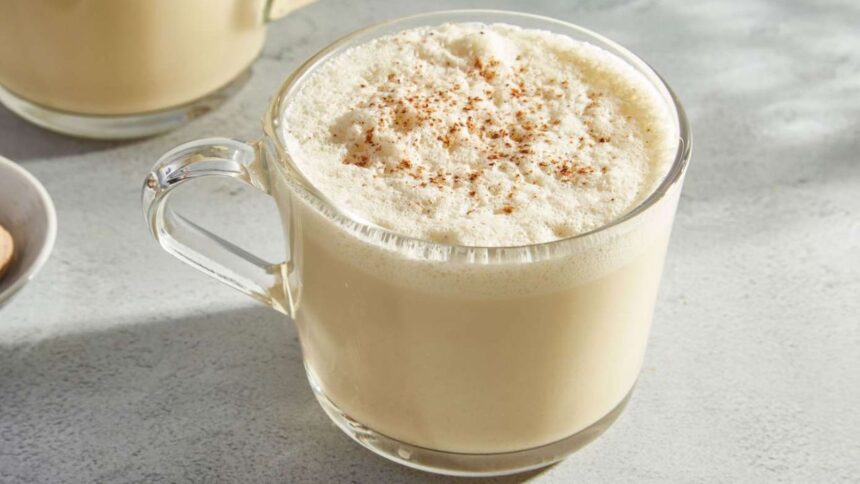
If you strolled down the dairy aisle before the holidays hoping to grab some eggnog, you might have noticed the shelves looking emptier than usual. Maybe your local coffee shop even changed up their eggnog lattes. Is there an actual eggnog shortage in the United States, or is something else at play this season?
Let’s break it down, because there’s a bit more happening here than meets the eye.
The Root Cause: An Egg Shortage, Not an Eggnog Shortage
There hasn’t been a full-blown, coast-to-coast eggnog shortage reported for the 2024 holiday season. What is really happening is a classic ripple effect: an egg shortage is making it more complicated for some folks to score their favorite holiday drinks and treats.
In late November 2024, the latest wave of avian influenza began hitting egg-laying hens hard. Outbreaks of bird flu have been cropping up for years (think back to 2022), but the latest one wiped out over 3 million hens in a matter of weeks. That might not sound colossal in the grand scheme, but it’s a big chunk of the total U.S. flock.
According to USDA numbers, American egg production dropped more than 2.6% year-over-year because of this. If you’ve ever tried to make a pie, cake, or, yes, a batch of homemade eggnog leading up to Christmas, you know eggs aren’t exactly optional. The holidays are the busiest season for eggs, period.
Why Holidays Make Everything Trickier
People don’t just use eggs for breakfast scrambles during December. They show up in sugar cookies, French toast bakes, and—of course—eggnog. When lots of people want the same thing at the same time, shelves clear out fast.
This year, cities such as Denver, Miami, Chicago, and New York City all reported trouble keeping up with demand. Bakeries, grocery chains, even local restaurants started paying more for eggs just to keep their products stocked.
If you saw eggnog getting pricey, or certain stores running out for a day or two, this is the main reason.
How State Laws Add Another Layer
States like California, Oregon, Nevada, and Washington have special rules called cage-free egg mandates. These are laws that say eggs sold must come from cage-free hens. It’s a policy designed to make animal welfare better, but it does change the business of farming.
When something like avian flu cuts into the national supply and rules say you can only buy from a limited pool of farms, prices go up even more. It’s simple: fewer eggs, and those eggs have to pass certain checks. Farmers can’t just import cheaper eggs from out of state unless they fit the rules.
So if you saw egg prices shoot from $2.52 a dozen at the start of 2024 to $3.65 a dozen later in the year, now you know why. Supply shrank, demand didn’t let up, and local restrictions squeezed things a bit tighter.
Egg Prices: A Quick Look at the Numbers
There’s an old economics rule—when you need something like eggs, you buy them even if the price goes up. People don’t just quit baking holiday cookies because they cost a dollar more per dozen.
This is called inelastic demand. Grocery stores know they can’t risk running out, so they pay more to buy in, and prices move up for everyone. If you’ve noticed your weekly grocery bill climb, you’re not alone.
It doesn’t help that holidays shake up the math. Bakeries and coffee shops face surges in orders for egg-heavy treats like custard pies, French toast, and eggnog lattes. They all compete for a limited stash of eggs with regular households—which means shortages can pop up locally, even if the national situation isn’t a full-blown crisis.
So, Is There an Actual Eggnog Shortage?
Let’s be honest: most people buy eggnog rather than make it from scratch. Cartons of the stuff land on store shelves each November, and for a few weeks, they vanish quickly.
But here’s the real story—there’s no nationwide eggnog shortage. The companies that make ready-to-drink eggnog use eggs as a key ingredient, so if there’s an egg shortage, it might mean less eggnog than usual hits the shelves, or prices could bump up. Some stores might run out temporarily, especially during the peak of the season. That’s about as dramatic as it gets.
If you read panic posts on social media about a “ban” on eggnog, or heard about a fake shortage at the “North Pole” affecting Elf Eggnog, you can relax. That North Pole bit is just a joke. It ran on a few satire websites and got picked up by people who missed the wink.
Real world? Eggnog is being made, but the cost of eggs this year has squeezed supply in some regions and made it more expensive in others.
Why Eggnog Feels Harder to Find
You might have noticed that certain stores are selling out of eggnog a lot faster than last year. Or maybe the bakery that usually has eggnog cheesecake has switched to something else. That’s a ripple effect of the egg shortage.
When there aren’t as many eggs, manufacturers who make eggnog in big batches have to pay more for their ingredients. Some scale back production or quietly swap to smaller carton sizes.
Restaurants and bakeries, on the other hand, may just drop eggnog-themed desserts from their holiday menus for a year. They’re not thrilled, but with higher costs everywhere, they have to make choices.
Tips for Finding Eggnog (Even When Supply is Tight)
Let’s talk about some practical ways to get your hands on eggnog if shortages hit your area.
First, check out big-box retailers—Walmart, Costco, and Kroger usually have larger supply chains and more access to wholesale eggs. Smaller local stores may have more trouble restocking quickly when supply is tight.
Try online shopping, too. Many stores now allow you to order ahead, reserve a carton, and make sure you don’t show up to empty shelves. This is a smart move, especially in bigger cities where competition is fierce.
One tip: call ahead before you make the drive. No one likes showing up after work, only to learn the last carton was snapped up at lunchtime.
If you’re planning a party or holiday brunch, buy early and think about freezing a bottle. They keep pretty well for a few weeks.
And if you can’t find it anywhere? Some folks go the DIY route—homemade eggnog recipes are all over the place. They’re a little more work, but you control the ingredients and the flavor.
What Producers and Farmers Are Doing to Fix It
Egg producers have been here before. Back in 2022, a similar bird flu hit and wiped out even more birds than in 2024. Since then, they’ve stepped up biosecurity and focused on rebuilding flocks as fast as possible.
The good news is that this isn’t the first time the egg industry has faced a crunch. Recovery tends to kick in within a few months as new laying hens mature and start producing. Companies are keeping a close eye on flock health, hoping to avoid further outbreaks.
Production is still below normal, but not at a level that’d mean you need to panic or start hoarding eggs or eggnog. If you want to keep up with the latest numbers, USDA agricultural reports break things down week by week.
For business owners and restaurateurs, sites like Business Focus Magazine also cover the big-picture impact on groceries and retail.
The Near Future: What to Expect Heading Into 2025
Looking ahead, industry analysts sound quietly optimistic. There haven’t been any new waves of bird flu shutting down farms beyond the 2024 outbreak, and the worst seems to be passing.
It might take a few more months before egg prices drop back to what we saw at the beginning of 2024, though. The combination of high holiday demand, lingering supply chain quirks, and state-by-state egg laws makes full recovery a little slower than people would like.
Still, the egg supply is stabilizing, and food manufacturers are adapting quickly. Expect eggnog to come back in normal supply next holiday season—unless another fluke crops up.
If you’re relying on eggnog for your family’s winter traditions, keep an eye on your favorite store’s weekly flyer or sign up for stock alerts online. There’s no reason to panic, but it helps to plan ahead.
The Bottom Line
So, is there an eggnog shortage this year? Not in the official, “call your Congressperson” sense. But a real egg shortage—thanks to avian flu and tighter rules in some states—has made it noticeably harder, or at least pricier, to snag holiday classics like eggnog.
Manufacturers, grocers, and consumers are all adjusting. Best plan? Shop early, call ahead, and don’t overlook the freezer section.
Eggnog is still showing up at stores, and while prices might be a little steeper than last year, things are far from dire. As we head toward 2025, signs point to more steady egg supplies, calmer prices, and—fingers crossed—a smoother holiday season in the dairy aisle.
Also Read: