

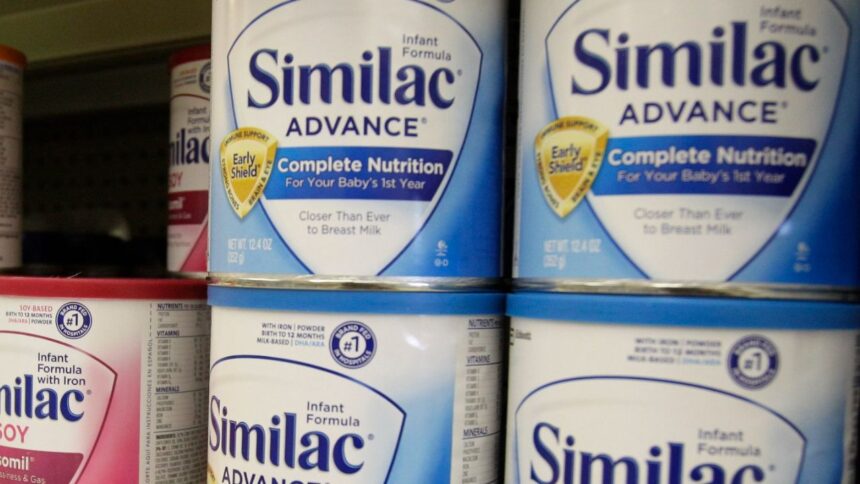
If you’ve shopped for baby formula in the last couple years, you probably noticed empty shelves and stricter purchase limits. It wasn’t your imagination or a local blip. The Similac shortage became a national crisis practically overnight in 2022, with ripple effects that never totally went away.
Let’s break down what led to the Similac shortage, how families were affected, and what’s still being done to keep it from happening again.
How Did the Similac Shortage Start?
Everything really blew up in early 2022, when Abbott Laboratories, the maker of Similac, announced a massive recall of not just Similac, but also Alimentum and EleCare. The issue? Cronobacter, a rare but extremely serious bacteria, was found at Abbott’s main factory in Sturgis, Michigan. Four babies ended up sick—two tragically died—and that pushed Abbott to shut down the plant.
Normally, a single plant closure wouldn’t empty the shelves nationwide. But the Sturgis facility handled almost half of all U.S. formula production. So when Abbott pulled their products from stores and stopped making new batches, it immediately put a strain on an industry that already wasn’t running smoothly.
Other Troubles Making It Worse
The recall wasn’t the only problem. The U.S. formula market leaned hard on a few major brands: Abbott and Mead Johnson (Enfamil) pretty much ran the show. This meant if anything went wrong with one plant, there weren’t a lot of backup options.
On top of that, there were lingering COVID-19 issues: disrupted supply chains, trouble getting key ingredients like cow’s milk, a shortage of factory workers, and delays transporting everything from powder to packaging. Even before the Similac plant halted, formula stock was already 20-30% lower than normal. The recall transformed a frustrating shortage into a full-on emergency.
Breaking Down the Timeline
Here’s how it unfolded:
February-March 2022: Abbott took the Sturgis plant offline and started the recall. The out-of-stock rate for formula jumped past 40%. Some stores already looked picked clean.
May-June 2022: Shortages got even worse. The national out-of-stock rate hit 43%, then soared as high as 74% in some areas. Retailers like Target and Costco put strict limits on how many cans people could buy at once. The White House noticed, and President Biden started Operation Fly Formula to import formula from Europe as a stopgap.
June 2022: Abbott reopened the Sturgis plant hoping to catch up, but just eleven days later, heavy storms caused flooding and forced another shutdown. That pushed back the timeline for getting shelves stocked again by another two months or so.
2023-2024: The immediate crisis faded for most families, but the underlying problems weren’t fixed. Supply chain experts, doctors, and former FDA officials kept warning that another big recall or production issue could plunge the country back into shortage territory.
2025: Reports from watchdogs found more safety lapses and contamination problems at the same Abbott plant. That got parents, especially those who depend most on formula, worrying all over again.
Who Felt the Effects the Most?
Formula shortages in big suburban stores got a lot of headlines, but people in rural areas or in lower-income neighborhoods were hit much harder and for longer. Around half of all U.S. formula gets bought through the Women, Infants, and Children program (WIC). When WIC has contracts with one brand—like Similac—and that brand vanishes from shelves, families can’t just swap to any formula they want.
Parents in mostly Black or Hispanic communities reported driving long distances, checking six or seven different stores, sometimes coming home with nothing. Online prices shot up, making it impossible for some to afford what little was left. Hospitals started rationing specialty formulas for medically fragile babies.
Abbott did bring in formula from Spain and put a priority on making certain medical formulas during the recall. But those options were too limited or, in many cases, came too late for some parents.
Legal Issues Still Unfolding
Even before the shortage, Abbott and Mead Johnson had faced lawsuits linking their cow’s milk-based formulas—like Similac and Enfamil—to necrotizing enterocolitis, or NEC, in premature babies. It’s a devastating condition where gut tissue gets inflamed and can die off, sometimes fatally.
Since the 2022 recall, the number of lawsuits against Abbott piled up. Families argue that the company knew its formula carried a higher risk of NEC for preemies but didn’t properly warn parents or hospitals. Some cases are ongoing into 2026, and the mood around formula safety is still tense because of these legal battles.
What Are Experts Saying Now?
Most grocery stores no longer have totally empty formula shelves like in the worst days of 2022. Still, there are pockets where certain types—especially hypoallergenic or specialty medical formulas—run out for weeks. Abbott’s Sturgis plant has been operating but not without more safety violations, according to reports as late as 2025.
The government took a number of emergency steps during the shortage. The FDA and USDA let WIC users pick from more brands and relaxed restrictions on importing foreign formulas, some of which lasted through late 2022. Imports from Europe and elsewhere kept some babies fed, at least. Enfamil and other brands ramped up production, but couldn’t completely close the gap overnight.
COVID-19 challenges haven’t totally disappeared, either. Finding enough factory staff, dealing with bottlenecks at ports, and price spikes on ingredients still crop up from time to time.
What’s Being Done So This Doesn’t Happen Again?
People in both the government and industry agree: the U.S. got caught off-guard here. So far, a few changes have stuck. WIC flexibility matters a lot in crisis times, but the long-term solution is less clear.
Congressional hearings pushed the FDA to do more frequent and intense inspections. Food safety advocates are calling for higher hygiene and segregation standards in plants that make baby formula, especially the largest ones.
There’s also a big push to bring in more formula companies—domestic and international—so parents aren’t depending on one or two factories. Manufacturing diversification is the keyword. Right now, two or three companies can still swing the entire market in one direction with a single plant closure or recall.
If you’re interested in how these changes could play out in the consumer products world, check out some stories at Business Focus Magazine for more on market resilience and regulation.
Could This Happen Again?
It’s not just a hypothetical. Food safety problems have already popped up at Abbott’s Sturgis plant in 2025, even after all the extra attention. Families and doctors are watchful, especially those caring for babies with food allergies or who rely on specialty formulas.
The overall baby formula supply is more stable in 2026, but that’s because of the ongoing efforts to monitor, import, and produce more broadly across different locations and companies. No one is celebrating—everyone remembers how quickly things fell apart before.
WIC-dependent families, especially in rural and marginalized communities, are still more vulnerable if something else goes wrong. Access can change month to month, depending on a dozen small factors: truck drivers’ schedules, ingredient shipments, or a sudden plant inspection.
The Takeaway: Formula Supply Needs Real Fixes
The Similac shortage should have been a one-time disaster, but it exposed real problems in how the U.S. manages critical food supplies for its youngest kids. If another factory has safety issues or supply chains get tangled again, the country could be right back to rationing formula.
Experts say baby formula shouldn’t be as fragile as it turned out to be. Ongoing lawsuits against formula makers keep parents on edge, while new FDA and USDA policies are being tested in the real world every day.
As of 2026, there’s no widespread Similac shortage. But with plant violations, market concentration, and legal questions still hanging over the industry, all eyes are on whether these supply lines can hold up.
For families, that means checking shelves and reading labels is still just part of the weekly routine. The hope is that next time, the country will be better prepared—and that parents won’t have to worry about finding a basic, essential product for their babies.
Also Read: