



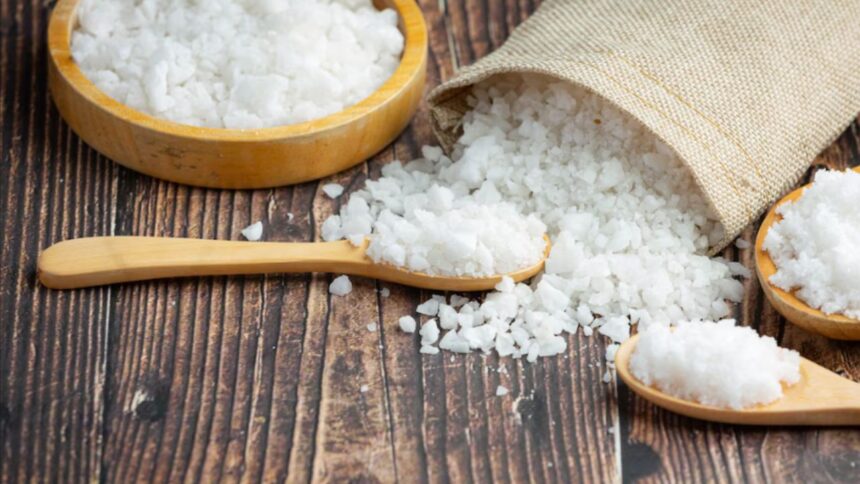
Everyone seems to be talking about salt lately—but most of the recent commotion is not about the stuff you’re dusting onto your roast chicken or mixing into your bread dough at home. We’re seeing a flurry of stories about local salt shortages in certain parts of the U.S., but it’s a lot less dramatic (and a lot less about the kitchen) than you might think.
Let’s clear up what’s actually happening with kosher salt, and why people might be getting their wires crossed about what, exactly, is in short supply.
Kosher Salt Demand Is Growing, Not Shrinking
If you cook even a little, chances are you have a box of kosher salt in the cupboard. It’s been a staple in both professional kitchens and home pantries for decades. The funny thing? Despite some headlines and worried social posts here and there, there’s no kosher salt shortage on shelves, now or in the near future.
Actually, the kosher salt market has only gotten bigger over the past few years. Reports show it’s set to almost double in value over the next decade, which is pretty wild for a product so basic. Market watchers say the global kosher salt market is expected to grow from about $1.43 billion in 2025 to roughly $2.61 billion by 2033.
The rise is coming from several directions. More folks want “clean” labels on foods and prefer natural or minimally processed kitchen staples. Kosher salt ticks those boxes—plus, it’s kosher-certified, which is an extra draw for those with dietary needs or religious reasons. Its grainy texture makes it easy to pinch and sprinkle, and it dissolves nicely in water when preparing meats or brining.
Why Kosher Salt Is So Popular Right Now
There’s a reason cooks flock to kosher salt, and it’s not just about tradition. Its signature coarse, flaky grains make it easy to season food evenly—no surprise it’s the default in most test kitchens. The “clean eating” push has also led people to pay more attention to what’s in their basic ingredients, and kosher salt often has just one thing on the ingredient list: sodium chloride. That’s reassuring compared to table salt, which typically contains anticaking agents and sometimes iodine.
Another trend: Urbanization is changing how people eat. As more people live in cities and have less room or time for fancy gadgets, there’s a focus on versatile staples that just work. Kosher salt is a utility player—it’s good in brines, on steaks, even for baking where exact control over sodium is needed.
There’s also influence from the restaurant and food service world. Chefs rely on kosher salt for its pinch-friendly texture and reliable flavor. When more of us started cooking at home during pandemic times, those habits carried over, and retailers noticed. Grocery stores expanded the shelf space for kosher and specialty salts, and people kept buying.
What the Market Numbers Spell Out
Let’s step back to the numbers for a second. That projected growth from $1.43 billion to $2.61 billion is upward momentum not many pantry staples see. What’s fueling it? Well, apart from the clean eating push and urbanization, there’s stronger demand from food manufacturers using kosher salt in snacks, ready meals, and prepared meats.
Surveys show North America leads the charge. American and Canadian shoppers (and companies) buy more kosher salt per capita than folks almost anywhere else. There are several types seeing growth—flaky, crystal, and even smoked varieties, each with their own niche.
Retailers are noticing the preference for flaky kosher salt, the kind you see in a box rather than little round grains in a salt shaker. Smoked salts are now popping up in barbecue sections, and premium brands have turned what used to be a straightforward product into a small ecosystem by itself.
You can see this shift on store shelves. What was once a choice between “regular” and “kosher” salt is now a handful of brands and even more specialty options, from flaky sea/kosher blends to smoked kosher salt in tiny cans claiming to pair perfectly with craft cocktails.
Challenges Still Lurk for Kosher Salt Makers
Of course, even a steady market like this comes with its headaches. For one, there’s more competition from other specialty salts—think fancy finishing salts, chunky fleur de sel, or Himalayan pink salt. These have cut into marketing for basic kosher salt, giving shoppers more choices but sometimes causing a bit of confusion about which salt works best where.
Another technical challenge is kosher salt’s relatively slow solubility. Its big flakes can take a while to dissolve, so it’s not always loved in recipes needing quick mixing. That’s part of why some home bakers still rely on fine table salt, despite the current trends.
Then there’s the sodium talk. Kosher salt is pure sodium chloride, with no additives or iodine. That’s great for keeping recipes clean but draws criticism from dietitians worried about iodine deficiency. Table salt is usually iodized as a public health measure, and kosher salt isn’t—so if you cook with it at home, you may want to find your iodine somewhere else.
Price swings can also make logistics tough for big buyers. Sometimes supply chain hiccups (from weather, shipping, or raw material costs) will cause minor blips in the market. But these haven’t ever ballooned into anything like a widespread kosher salt shortage.
Naming the Real Shortage: It’s Rock Salt, Not Kosher Salt
So, where’s all this salt shortage news coming from? It turns out, it’s a different product altogether—rock salt, the chunky stuff dumped on roads to melt ice in the winter.
This has become a big story in the Midwest and Northeast, especially around Ohio, Indiana, and Kentucky. For the winter of 2025-2026, several factors lined up to make traditional rock salt harder to get. A major terminal in Cincinnati shut down after rail line changes, taking roughly 200,000 tons of supply off the board. Companies like Cargill exited certain bulk salt markets altogether, and Morton Salt chose to focus on government contracts instead of selling to small businesses and towns.
These supply hiccups have big ripple effects. Without easy rock salt access, cities like Dayton and Columbus can’t keep up with normal road maintenance in icy weather. Prices have jumped for contractors and local governments—sometimes by shocking margins, like an 800% increase for a single local highway order.
But none of this is tied in any way to the food-grade kosher salt people use at home. The two don’t overlap in manufacturing or supply chains. Kosher salt is refined and processed specifically for culinary use. Rock salt pulls straight from the ground and is only minimally processed before getting tossed onto winter roads. Their sources, facilities, and sales networks just don’t touch each other.
Deeper Problems in the General Salt Supply
Looking nationally, there’s a bigger trend playing out. Salt mines in North America are getting old—some have been running for more than 50 years. One of the biggest hits came when Cargill’s Avery Island rock salt mine closed. That mine alone had been producing 2.5 million tons per year.
Since many of these domestic mines are closing or scaling back, the U.S. has grown more reliant on imports. These come mostly from Chile, Mexico, and Egypt, supplying anywhere from 8 to 10 million tons of salt yearly for roads and industry.
Now, everything from weather delays to rising freight costs to international politics can shake things up. When one link in the global chain is strained, prices jump at home. Some cities scramble to source enough de-icing salt ahead of major winter storms. Private companies try to lock in next season’s supply, leading to price spikes in bulk orders.
It can sound a little alarming—until you remember this is really just about the stuff outside on the sidewalk, not what’s in your kitchen.
Why Kosher Salt’s Market Stays Steady
Even with all these aftershocks in bulk rock salt, there’s no spillover into food salt markets. Kosher salt production is more stable, in part because the quantities used in kitchens and restaurants are much smaller than for roadways.
The main ingredient, sodium chloride, isn’t experiencing any real scarcity. The bottlenecks affecting rock salt—like mine closures, port backups, or freight price jumps—don’t translate to packaging plants turning out food-grade kosher salt. Those run their own logistics, sourcing, and distribution networks.
So, if you spot a story about local hardware stores running out of “salt” in winter, you can rest easy about your next roast. The products are cousins—same chemical, very different purposes and supply chains.
Quick Primer: Kosher Salt vs. Rock Salt
Let’s pause for a refresher on what we’re talking about. Kosher salt is the slightly chunky, flaky stuff you keep right next to your stove. It started as a tool for koshering meat—drawing out blood according to Jewish dietary law—but cooks liked the clean flavor and pinch-ability.
Rock salt, meanwhile, is coarse, minimally processed, and usually contains natural minerals. You wouldn’t want to sprinkle it on food. Most of it’s headed for highways, parking lots, and industrial use.
It’s easy to see why people get the two confused when the word “salt” starts trending in the news. But from mine to table, they rarely cross paths.
Keeping an Eye on Industry Trends
If you’re curious about how these markets run, there’s a whole sub-industry devoted to watching bulk salt prices, mine output, and transportation costs. Business news outlets and supply chain journals, like this one, offer regular coverage as new issues pop up each winter.
Most reports agree: Kosher salt is on a strong footing for the next decade. There’s no hint of looming shortages, hoarding, or supply disruptions. Instead, it’s a story of solid demand growth, steady manufacturing, and a handful of new specialty offerings aimed at adventurous home cooks.
For the industrial and rock salt trade, things might get a little more complicated. Cities and contractors will likely keep feeling the squeeze, especially during bad winters.
The Bottom Line for Shoppers and Cooks
So, to cut through the noise—if you spot news about “salt shortages” in your area, check which kind they’re talking about. For kitchen use, nothing is changing. Major brands like Diamond Crystal and Morton Keep kosher salt stocked at grocery chains and restaurant suppliers. Food manufacturers haven’t sounded any alarms.
If you’re in charge of icy sidewalks, though, you’ll have to keep an eye on freight news and contracts for rock salt. That’s a separate challenge entirely.
For now, your risottos, roasted veggies, pickling jars, and sourdough loaves are in the clear. Kosher salt is still right where you left it—just don’t try to de-ice your driveway with it.
Also Read: