



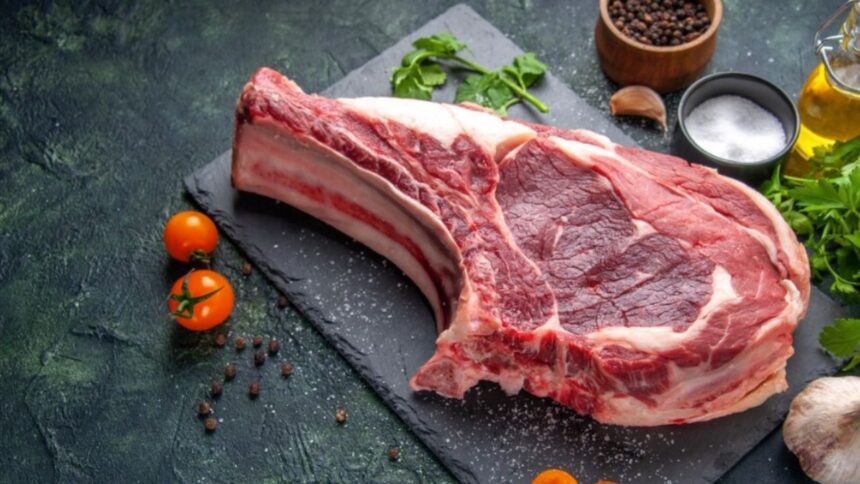
If you shop for beef or hit up your favorite burger spot, you might’ve noticed prices climbing and more “sold out” signs. That’s not your imagination. People who watch the beef industry closely say we’re heading for a real shortage in the next two years—a dip unlike anything we’ve seen in a long time.
What’s making it happen? There’s a lot to unpack. There are big shifts in North America, sudden turns in Brazil, and even subtle moves in places like China, Argentina, and Australia. This shortage isn’t about people suddenly eating more beef. It’s about less of it showing up in stores, complicated by ripple effects across the entire global meat industry.
The Numbers: A Rare Global Dip in Beef Production
For the past six years, worldwide beef output has mostly inched upward or held steady. Producers found ways to deliver more, even as droughts and market swings came and went. But now, beef watchers say global production will actually drop in 2026. If they’re right, it’ll be the first backpedal in years.
Why is that a big deal? Supply and demand set the tone for prices, both at supermarkets and at the farm gate. When there’s less beef around, prices don’t just go up a bit—they can leap, and for months, not just a few weeks.
North American Cattle: Herds Are the Smallest in Decades
The US and Canada drive much of this story. Since 2019, cattle herds in both countries have shrunk year after year. Ranchers have been trimming their numbers mostly because of drought, rising feed costs, and a few tough seasons in a row. Today, the US herd is at its lowest point since 1961.
The consequences? In 2025, it’s likely slaughter rates will drop nearly 19% compared to last year. By 2026, slaughter (which is how many cattle are turned into beef) could slide to just 8.5%. That’s not only below modern averages; it’s a pace we haven’t seen since the lean years of the early 2010s.
When the number of cattle goes down and demand for beef stays strong, per capita beef availability falls. Recent estimates say people in the US could have access to about 6% less beef per person, compared to the record supplies from just four years ago.
So what does that mean when you’re standing at the butcher’s counter? Expect to pay more. Experts predict young cattle prices could jump 26% in the US and 28% in Canada by 2025. That’s before considering further gains, which are likely.
Processing Slowdowns: Another Wrench in the System
Cattle numbers aren’t the only squeeze. Beef processing plants are also under strain. Big plants have started shutting down or scaling back, like Tyson’s Nebraska facility closing and its Texas operation cutting down to a single shift. For ranchers and consumers, every plant closure means more bottlenecks. If cattle can’t be processed quickly, the whole supply chain slows. That leaves shelves emptier and prices higher.
Brazil Pulls Back: Herd-Rebuilding in the Southern Hemisphere
Many people don’t realize Brazil is a huge part of the world’s beef scene. It’s often a backup for North America, supplying both beef and basic ingredients for processed meat. But this year, Brazilian ranchers are shifting gears.
After a period of exporting like crazy—fueled by a weak currency and massive cattle herds—they’re now holding back young cows (heifers) to rebuild. Production in Brazil is expected to drop by 5% to 6%, landing at about 10.5 million tonnes. At the same time, exports actually hit a record—4.4 million tonnes—mostly because demand from China stayed strong, and Brazil found new buyers, like Mexico.
Yet with more beef leaving the country, local shoppers in Brazil might see shops stocking less. Some are switching to other meats, like pork and chicken. In fact, beef consumption inside Brazil could dip by nearly 9%, mostly because regular folks just don’t want to pay sky-high prices.
Argentina, Australia, and China: Everyone’s Adjusting
Argentina, another beef powerhouse, is keeping its production steady at around 3.23 million tonnes. They’re able to hold exports at close to their record high—up to 880,000 tonnes—mostly shipped to China, the European Union, and even the US. But at home, people are eating about 4% less beef than before.
Australia, meanwhile, is in a surprisingly stable position. Its herds recovered from drought more quickly, letting their beef exports and home supply stay near record highs. Australian ranchers don’t see a big drop ahead for now.
China, for its part, is seeing smaller changes. Production is actually slipping a bit, mainly because farmers held back on fresh investment. Their imports of beef are expected to go down about 2% or 3%. Shoppers in China are still snapping up beef—demand in stores is healthy—but fewer imports mean overseas producers lose a little sales volume.
How Beef Shortages Land in US Stores and Restaurants
All those global shifts would matter less if the US could just import more to make up the shortfall. But that’s not really happening. US beef imports from Brazil actually doubled this year, which helped for a bit. Then came new tariffs—over 76%—slapped on Brazilian beef since August. That makes those imports way less attractive.
There’s more. At the same time, beef imports from Mexico—usually a solid backup—have been cut off or slowed because of sanitary issues. The US has strict standards for imported meat, so any hint of disease or contamination shuts the door pretty fast.
Put it all together, and supplies of key beef ingredients—like “lean trimmings,” which are used for ground beef—are thinning out quickly. Industry folks even compare it to the “egg problem” when prices shot up overnight. The weekly slaughter rate in the US is down nearly 9% from last year. Imports fill some of the gap, but trade tensions and strict rules limit how much beef can come across borders.
Meanwhile, US beef exports are slowing. That’s mostly because American shoppers are eating more beef at home, leaving less for foreign buyers. The net effect is simple: Less beef in the chain and prices heading straight up.
Supply Shortages, Not Just More Demand, Are Driving Prices
It’s not a surge in people eating more steak that’s pushing prices up. It’s really the tight supplies—producers can’t keep pace, and there’s not enough beef to go around. These cycles don’t get fixed overnight. Raising new cattle for beef takes years, especially when herds have been reduced as much as they have now.
Throw in more plant closures and you get a sense of how fragile the system is. If even a few more facilities close or cut hours again, the impacts on the beef supply could last through the rest of the decade.
Trade disputes and disease restrictions make things worse. Take the Mexico import bans, for example—or sudden tariffs after a foreign livestock disease scare. All those elements feed into tighter supply and even steeper prices.
Don’t forget about competition from other meats, either. When beef prices reach a certain point, many shoppers pivot to pork or chicken. We’ve seen that already in Brazil and Argentina, where people left the beef aisle and bought more poultry instead. That doesn’t fix the beef shortage but can help keep food costs somewhat balanced for families.
What This Means for the Global Beef Market Overall
The story isn’t just about North America, though that’s where the ripple starts. Global beef prices stay high as long as supplies are tight, no matter where you live or shop. Producers in Australia or Argentina who can keep up output may do well for now. Countries that rely on imports—think China or even the Middle East—have to weigh higher costs or shift their buying habits.
The real tough part is how long it takes to rebuild cattle herds after several years of cuts. It doesn’t happen quickly. Ranchers need to keep more young cows for future breeding, not for burgers. That means even as prices shoot up, you can’t expect a huge bounce-back in beef supply for at least a couple of years.
Industry insiders say these shortages put pressure on every step of the supply chain—from feedlot owners to supermarket buyers. Everyone is looking for ways to stretch supply, keep prices stable, and not lose customers to cheaper meats. Business sites like Business Focus Magazine have started diving deeper into these shifts, tracking how companies and trade groups are scrambling to adapt.
Tariffs, trade wars, and disease controls are all wild cards. The next time there’s a livestock disease outbreak or a new round of tariffs, the challenges could spike overnight.
So, What Now? A Realistic Look Ahead
Right now, no one’s predicting that beef will disappear from shelves. But you and I will probably see smaller selection and steeper prices at the local grocery store or favorite steakhouse over the next couple of years.
Some families might switch to other meats, or simply buy less. Restaurants may swap pricey cuts for cheaper ones or add more chicken and pork to their menus.
It’s still possible that better weather, smarter herd management, or new trade deals could help. Maybe some regions will rebuild faster or new suppliers will emerge. But the beef business isn’t set up for overnight fixes. Each shift takes planning, time, and a fair bit of good luck with the weather and markets.
All told, the beef story in 2024 and beyond is one of tight supply, high prices, and a lot of careful juggling behind the scenes. No mystery here—just the real workings of global food in a bumpy season.
Also Read: